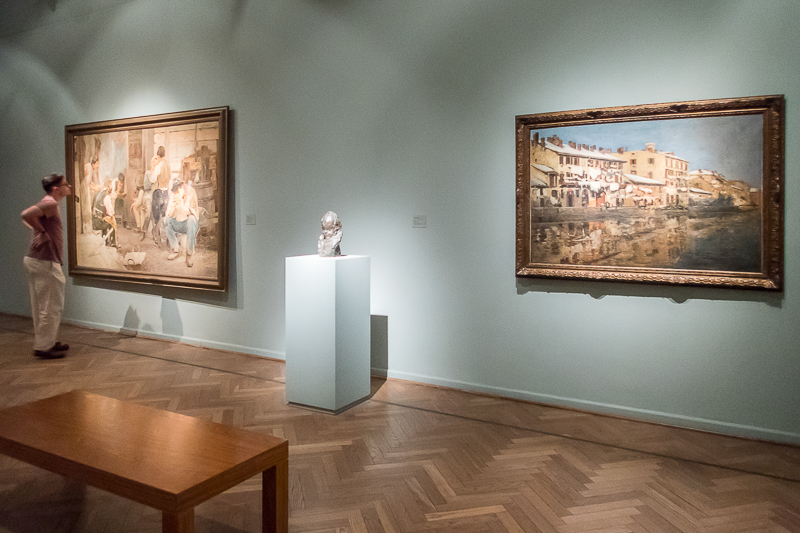
Buenos Aires has a lot of museums, but we only went to one, the Museo Nacional de Bellas Artes, the National Museum of Fine Arts. The other art museums focus on contemporary and Latin American art, neither of which interest us that much.
Most art museums are not crowded. This, though, is one of the exceptions. We arrived early afternoon on a Thursday to find a long line to enter. The surprising thing is that the museum is free. Why is there a line to enter a free museum? Security screening? Crowd control? Information desk? Checked bags?
Nope, two kiosks asking for donations. We had to stand in line for over 15 minutes because everyone is first directed to go to one of two kiosks requesting a donation in exchange for two tickets. It wouldn’t be so bad if there were more kiosks or the menu wasn’t so confusing to navigate.
We would have gladly paid for tickets, and probably would have given a donation. But there was a long line behind us and selecting “no” was the easiest and quickest option to get the kiosk to spit out two tickets (not that the tickets are actually checked). All in all it is kind of ridiculous.
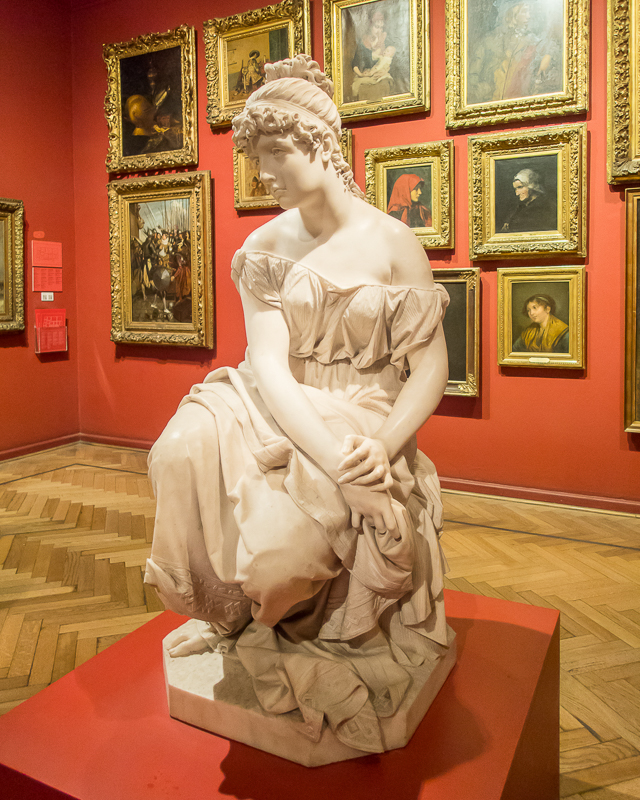
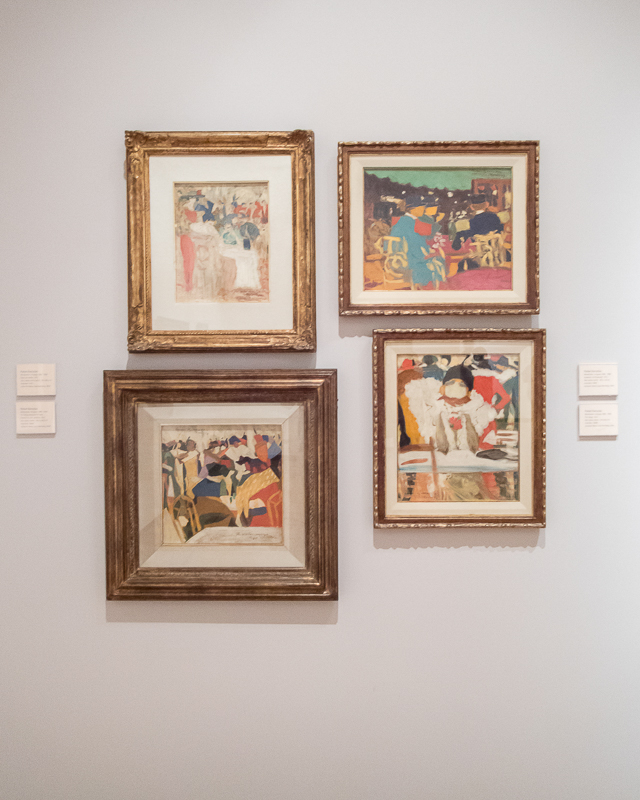
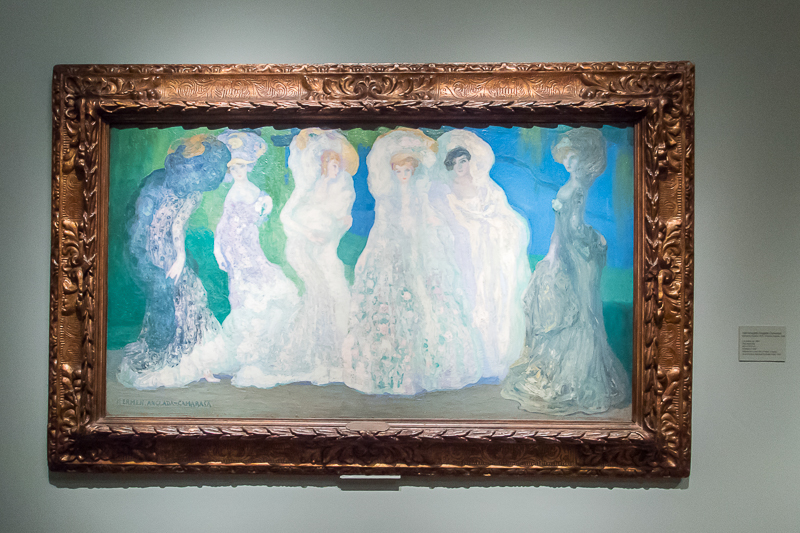
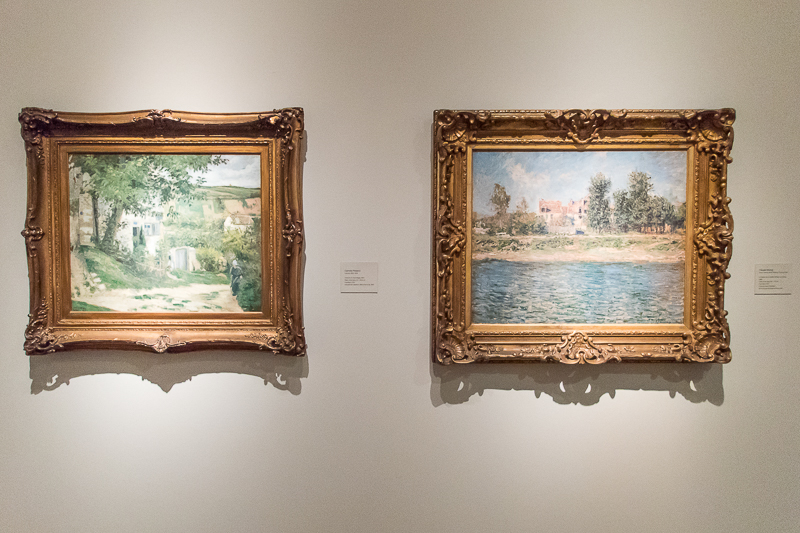
The museum consists of two main floors and with a few temporary exhibition spaces. On the main floor (0), there are paintings and sculptures by prominent artists such as Claude Monet, Alfred Sisley, Edgar Degas, Paul Cezanne, Auguste Rodin, and celebrated Argentinian artists. It is a great collection.
Given the quality of the works on display, we were not surprised by the crowd.
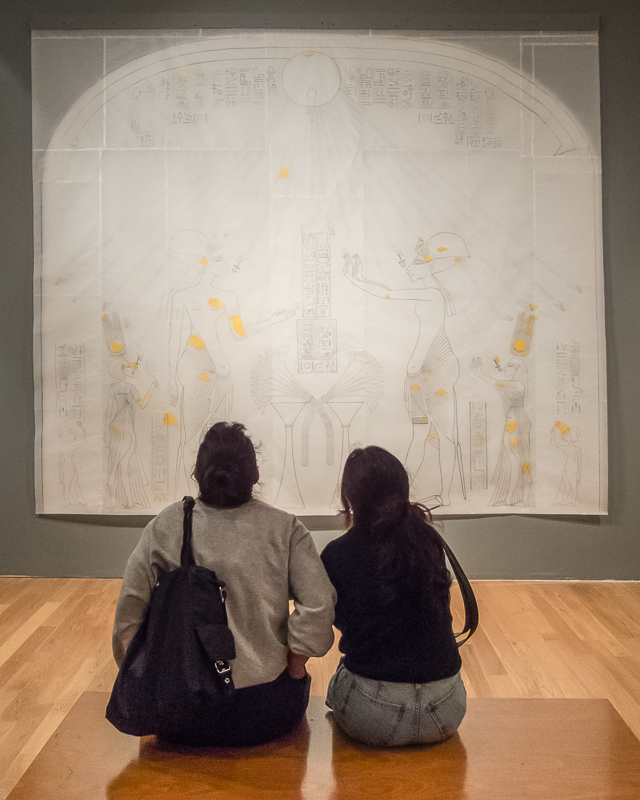
A short walkway to a second building led to a temporary exhibit on ancient Egypt. We gave it a quick and cursory walk through before heading back to the main building.
On the second floor (1), the exhibits consist of more modern and contemporary paintings and photographs. Interesting for sure, but not something that we spent a lot of time viewing. There were noticeably fewer people in this area as well.
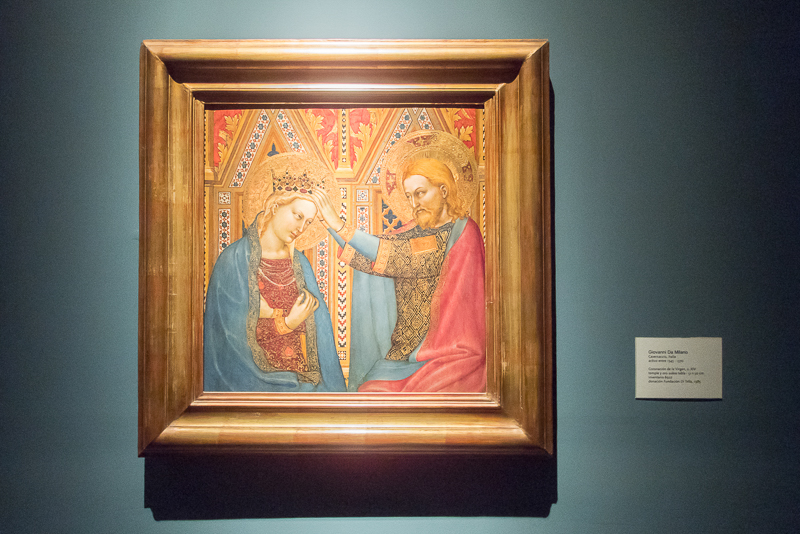
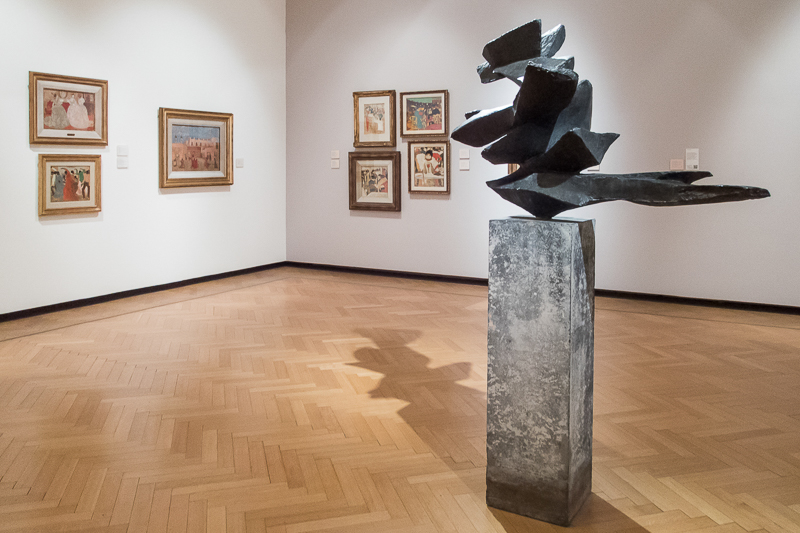
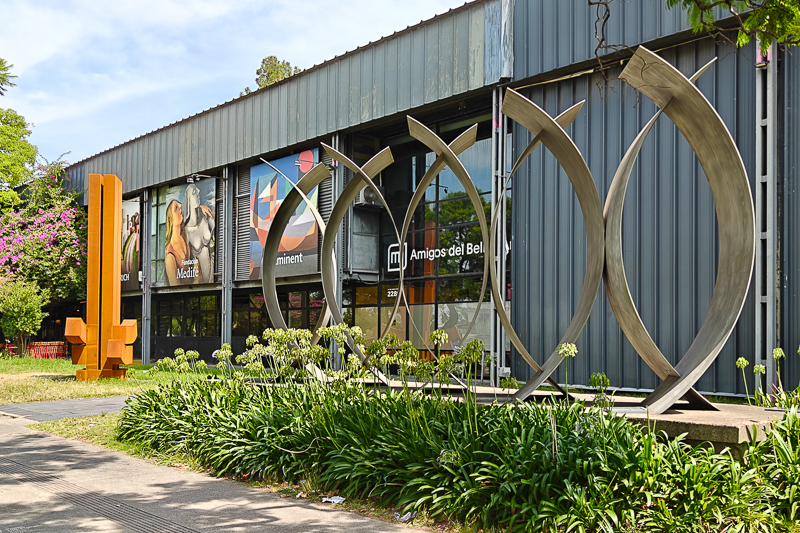
Up on the third floor (2) is a very small exhibit of modern art that we would have skipped had we known what it was. There are also two outdoor balconies, one of which doubles as the smoking lounge for employees. There were more employees smoking than guests that came up to this floor.
After a little over an hour, we headed out of the museum after a really great visit.
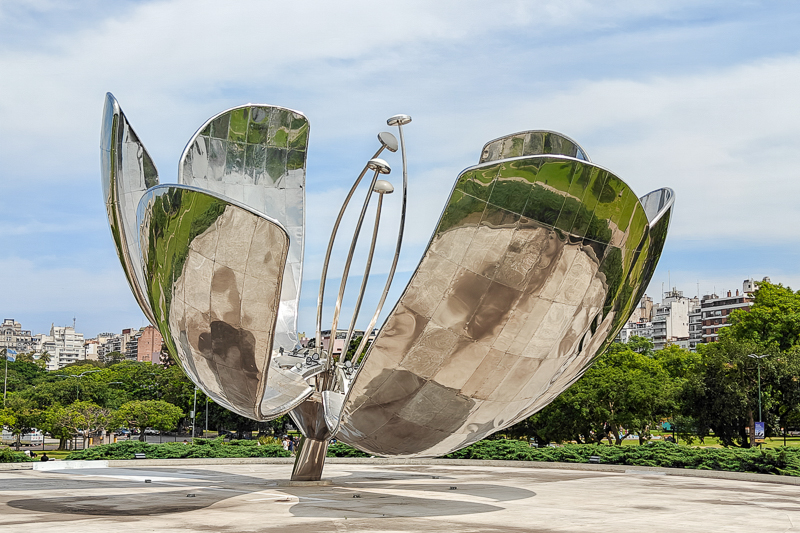
From there we walked across the street to see the giant metal flower sculpture at Parque Nacionas Unidas. Given the size of the flower sculpture, you are almost compelled to go see it if you catch a glimpse of it. Its interesting enough for a walk by.
Friends invited us to go to a mate tasting class at La Mateada por Fabrica de Mate. Mate, a very popular social drink in Argentina, is a traditional herbal tea drink shared among friends. Basically it is Yerba Mate tree leaves ground up, seeped in warm water, and drank through a filtered straw.
Or, as one person in our group aptly described it, cut grass soaked in water. No wonder children are taught to drink mate before growing up. It’s definitely an acquired taste that most teenagers and adults probably would not bother to acquire.
Yerba Mate tea leaves come in dozens of varieties, as there are all sorts of flavored options. We tried peppermint and citrus. Neither is an improvement over the regular version.
During our mate tasting we were offered pastries as palate cleansers. The dulche de leche (caramel filled) pastries were exquisite. I ate several. Alas, it was not enough to eliminate the cut grass taste.
Afterwards our group walked over to Rapanui for gourmet coffee, deserts, and ice cream. That just about completely killed the mate taste. Several beers that night finally finished off the job.
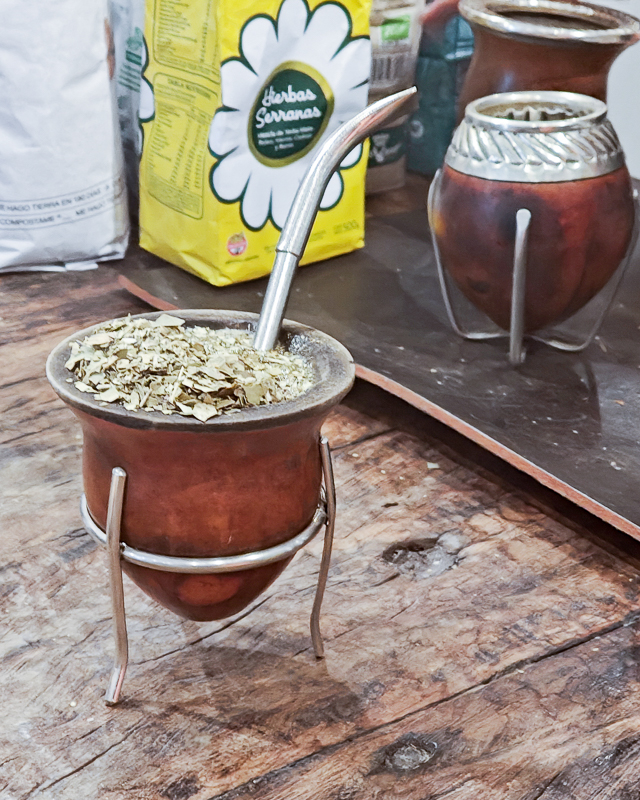
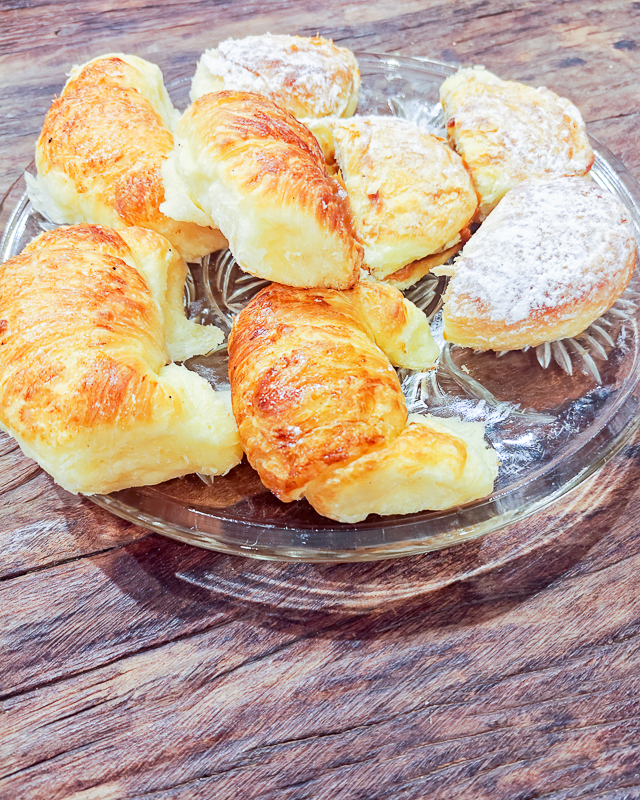

The best thing about the mate tasting class was not the mate – obviously – or even the pastries. Its learning about this tradition because afterward you see it everywhere. Once you know what mate, and mate carrying kits, look like, you cannot miss them. Mate is everywhere. Literally everywhere.
At the grocery store the cashier has a mate. The bus driver has a mate. Kids in the park are sharing a mate. Guy sitting on a bench in the metro station has a mate. Random people walking down the street have a mate. The person riding on the back of a motorcycle has a mate. People haul mate kits (a bag of leaves, cups, straws, and thermoses) everywhere. Mate watching is both hysterical and absurd.
Regional airlines even allow mate kits to be carried onboard without counting towards your carryon allowance.
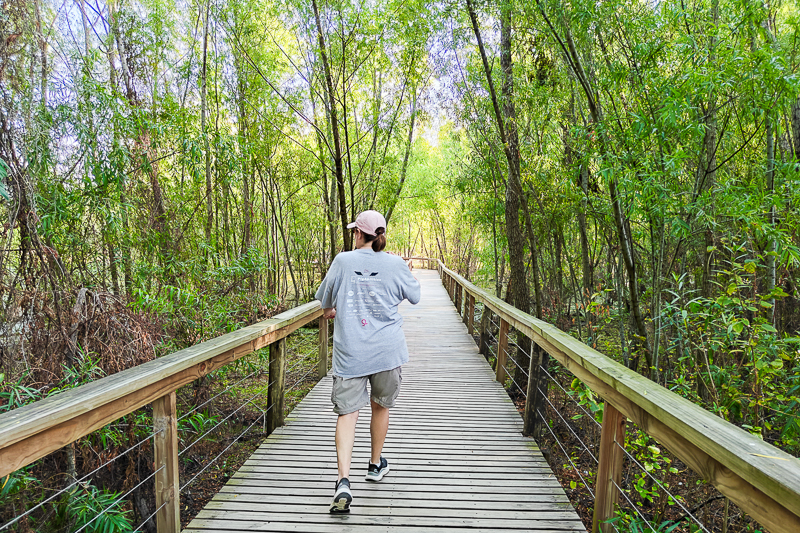
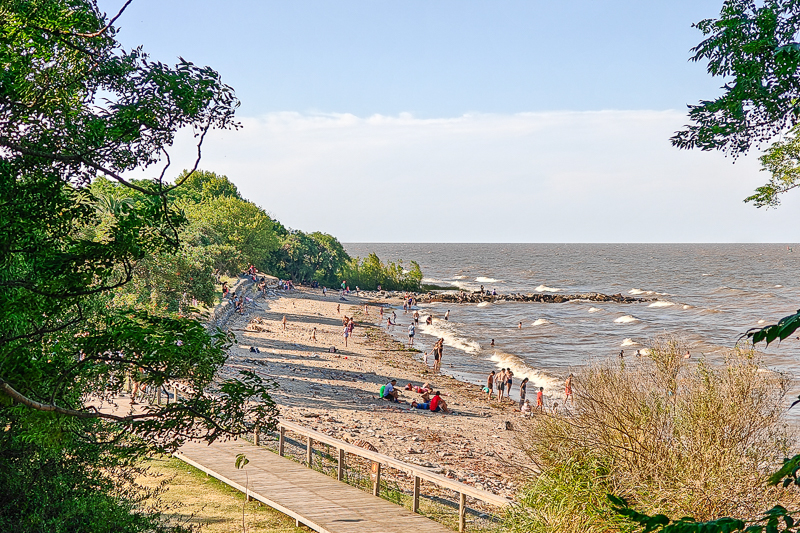
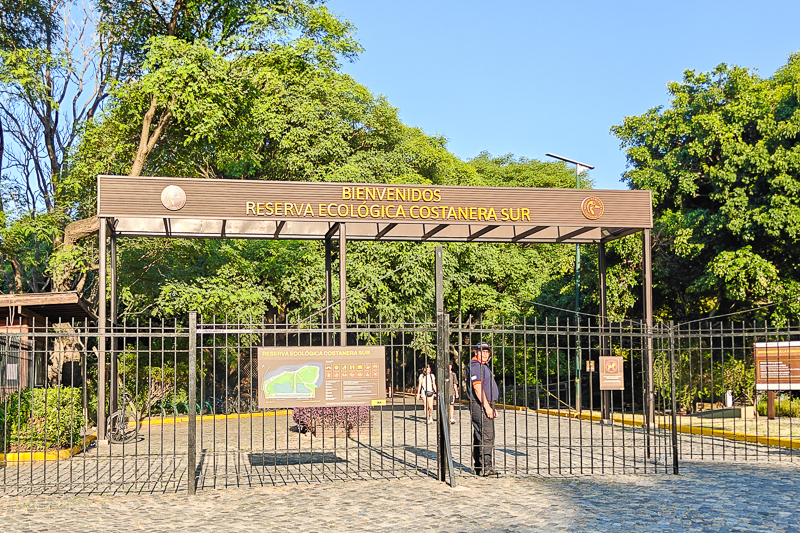
A few days later we met a group to take a walk through the Reserva Ecológica Costanera Sur, a large conservation area adjacent to downtown Buenos Aires on the Río de la Plata. Originally the area was intended to be developed, but that idea was abandoned and the area turned into a nature reserve instead.
Entry to the reserve is free, but note that it does have hours of operation. Large gates at the entrances are locked at night. So the hours of operation actually matter.
Several trails and boardwalks are found in the preserve, but the main routes are wide dirt roads with some shade and a lot of dust. A small rocky beach is quite popular. But mostly this park is best for runners and bikers.
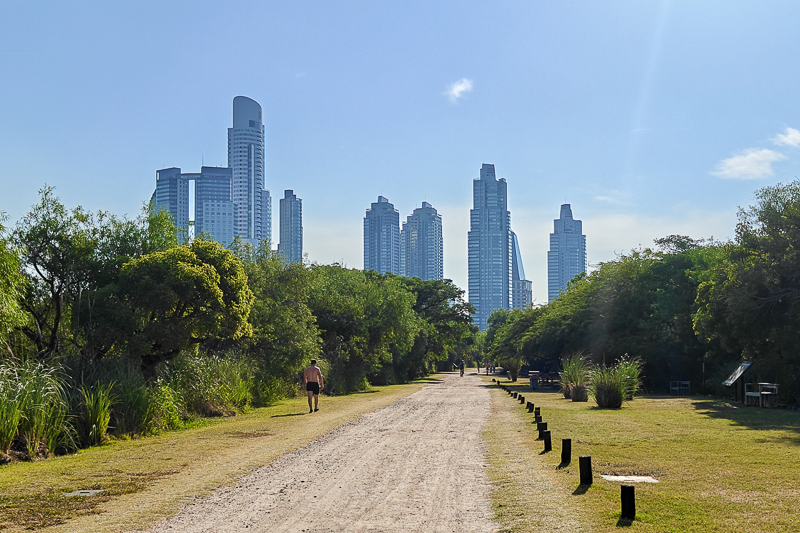
There are a couple of shallow ponds with boardwalks and overlooks that might be interesting at certain times of day at certain times during the year, but not in the middle of the day in January. I suspect this park is much nicer in the spring and fall instead of the heat of summer.
But for us, warm summer days in the southern hemisphere are now over. It’s time to get cold.
Garrett and Stephanie
If you have not already done so, read our other posts about Buenos Aires:
Buenos Aires, Argentina (January, 2026, Part I). Flipping hemispheres; walking through the Ecoparque and Jardín Botánico.
Buenos Aires, Argentina (January, 2026, Part II). Learning the Subte, and Sube; getting cash; exploring downtown.
Buenos Aires, Argentina (January, 2026, Part III). Tour groups at Recoleta Cemetery; horse racing at Hipódromo Argentino de Palermo.
For additional posts about Argentina, or elsewhere in the world, check out our Travel Blog. It contains collected links to all of our travel posts.
Want to subscribe (or unsubscribe) for email notification of new blog posts? It is only two to three emails a month. Send your name and email address to slowtravelchronicles@gmail.com, and note subscribe (or unsubscribe) in the subject line. All email addresses will be kept confidential and not sold to any third-party. You won’t get any marketing junk or sales pitches from us.