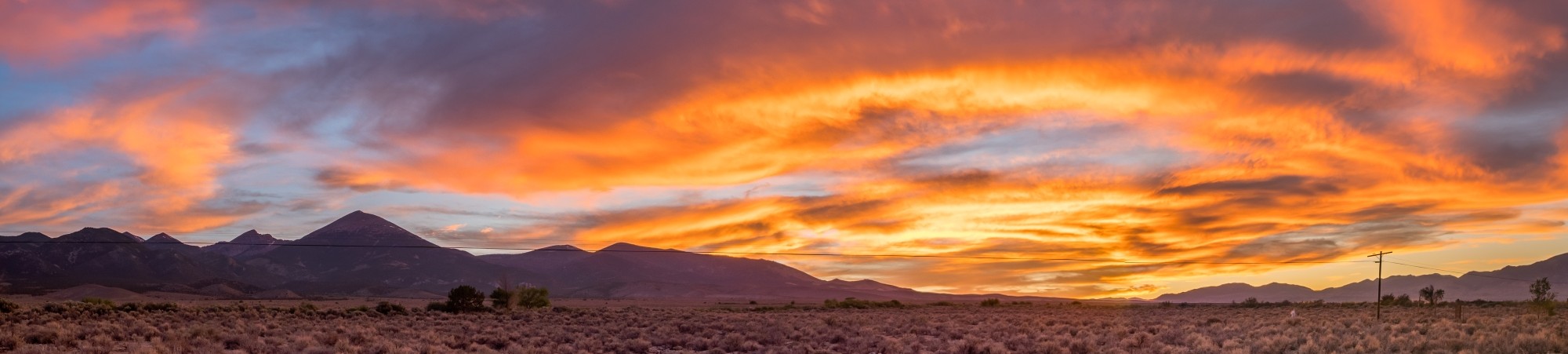
Córdoba has three, yes three, fine arts museums, or so they say. First, Museo Superior de Bellas Artes Evita | Palacio Ferreyra. Second, Museo Provincial de Bellas Artes “Emilio Caraffa” (M.E.C.). Third, Museo Municipal de Bellas Artes Dr. Genaro Pérez.
Not knowing the difference between them, we went to Museo Superior de Bellas Artes first. A ticket costs $3,000 Ar, or about $2.25 USD. Exhibits are spread out over four floors. The rooms are large and there is more than enough space for the art work. I think we saw maybe five or six other people during our visit. Definitely not crowded.
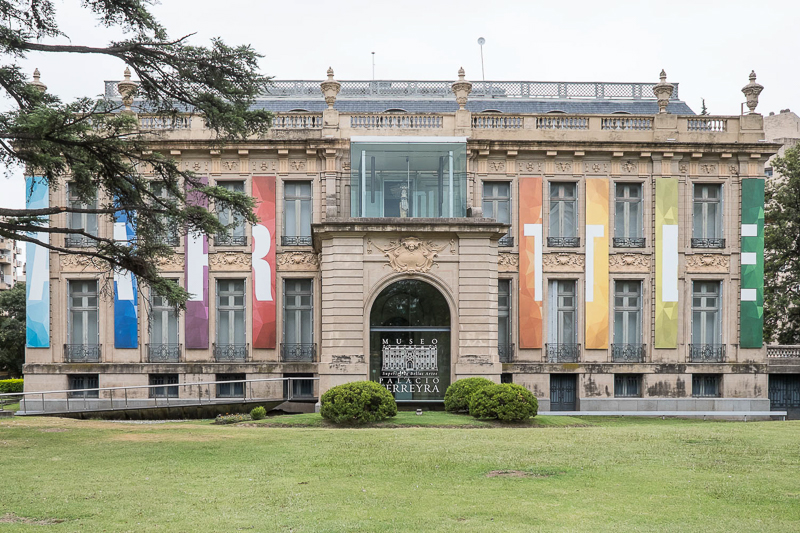
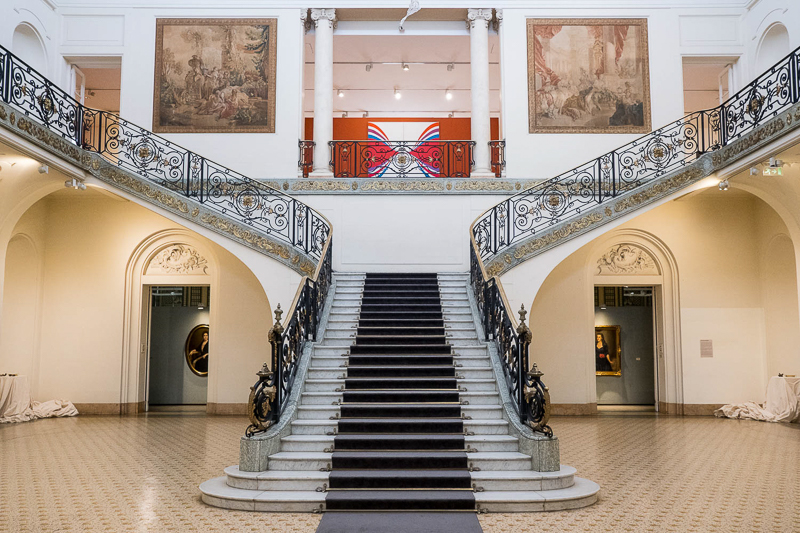
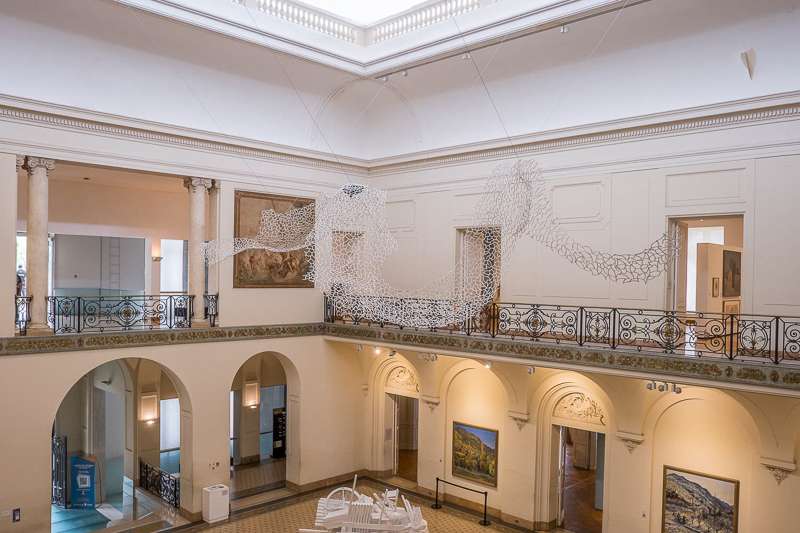
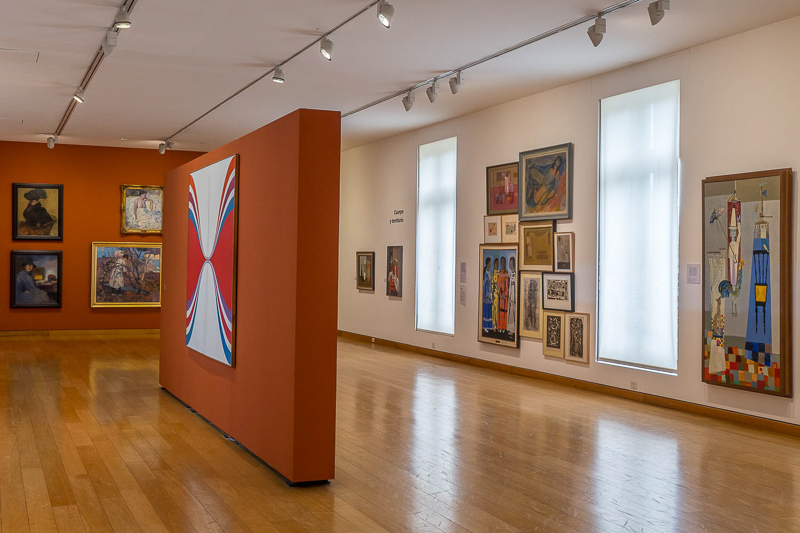
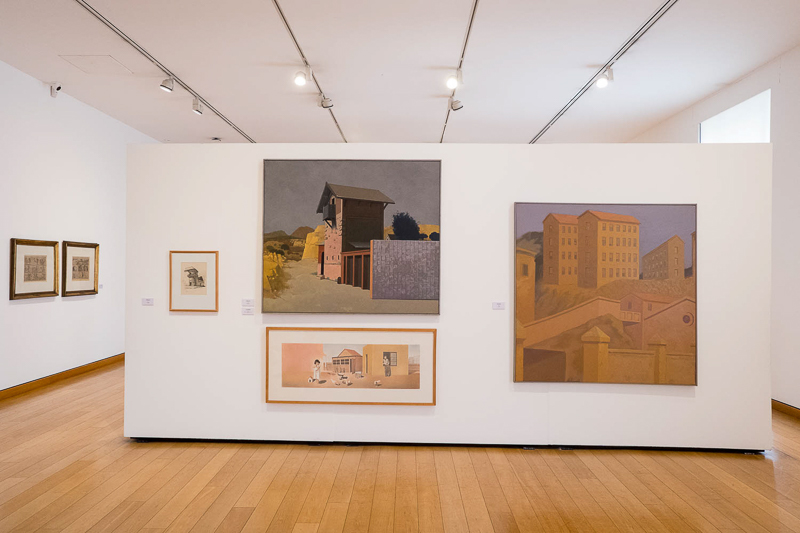
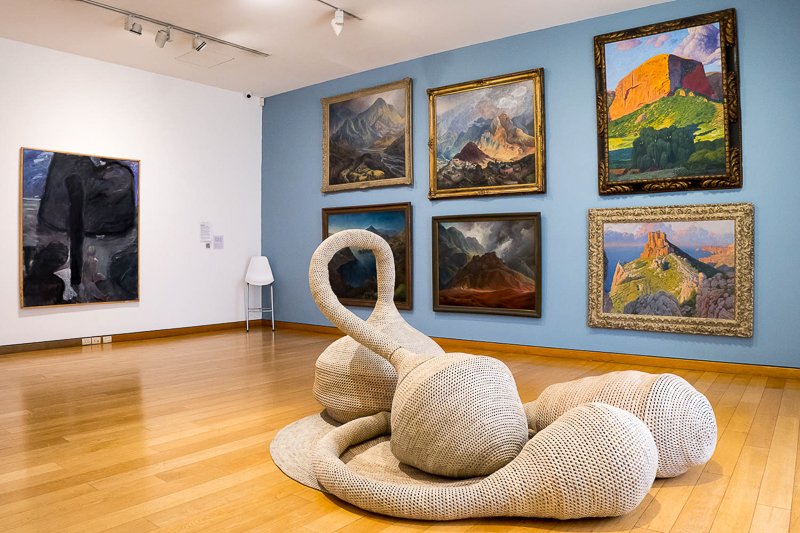
The first floor has a few nice paintings from the early 1900s by Argentinian artists; otherwise it’s an eclectic collection of weird stuff. More modern and contemporary than anything. The collections have signs in Spanish, which we did not bother translating. The museum is in a nice building, and started out promising, but it did not take long for us to start chuckling at some of the exhibits. I guess “fine arts” is all relative.
Practically across the street is M.E.C. We went on a Wednesday to take advantage of the fact that all public museums in Córdoba are free on Wednesdays. The collections at the M.E.C. are spread out over four floors in two different buildings. Its not the most logically laid out museum, but not the worst, either.
The air conditioning works great at the front desk, less so as you move inside and upstairs. In particular the passageway connecting the older building with the newer is mostly glass panels and hot as hell. It felt like the heater was on full blast.
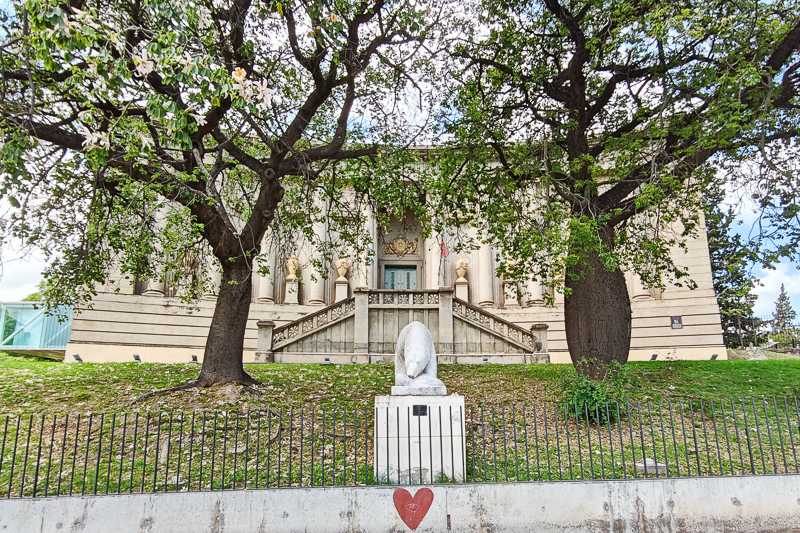
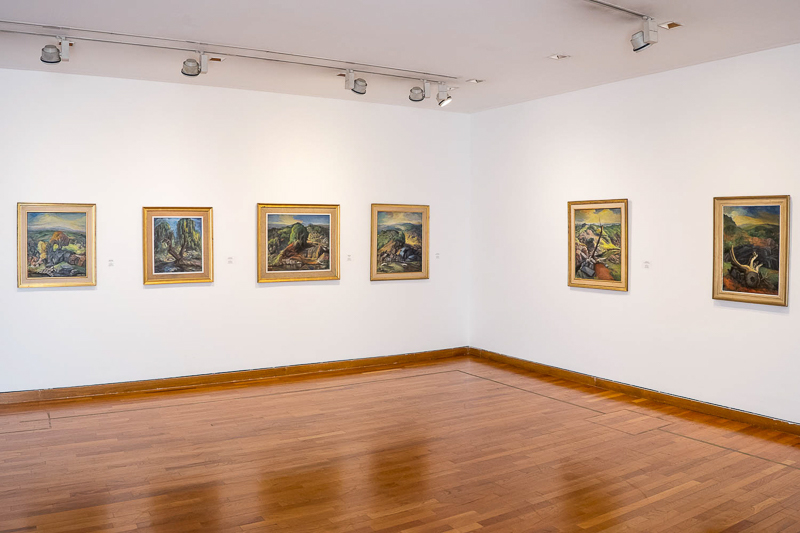
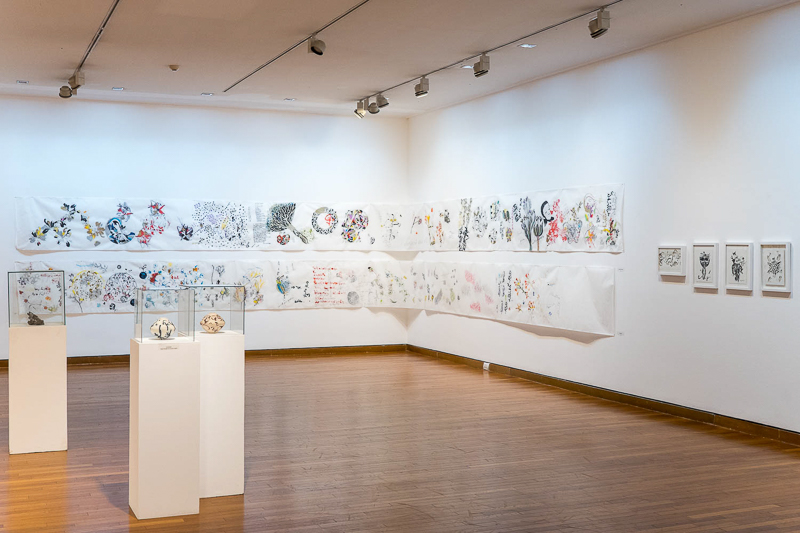
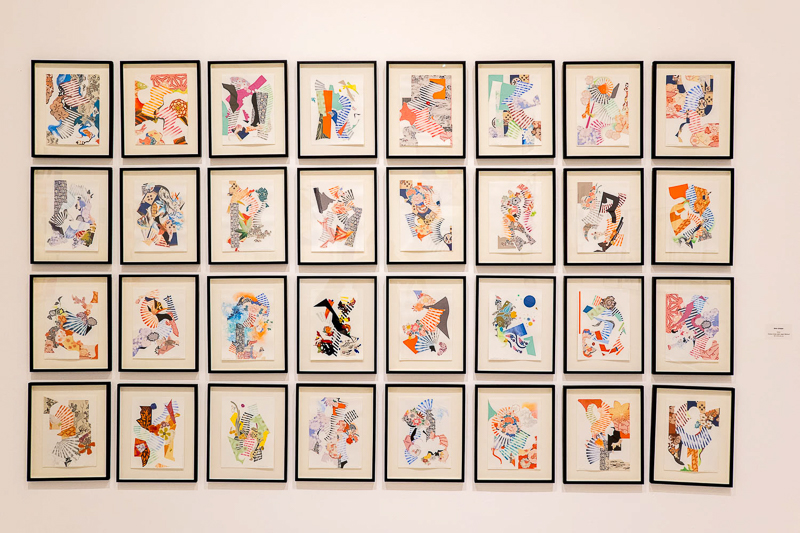
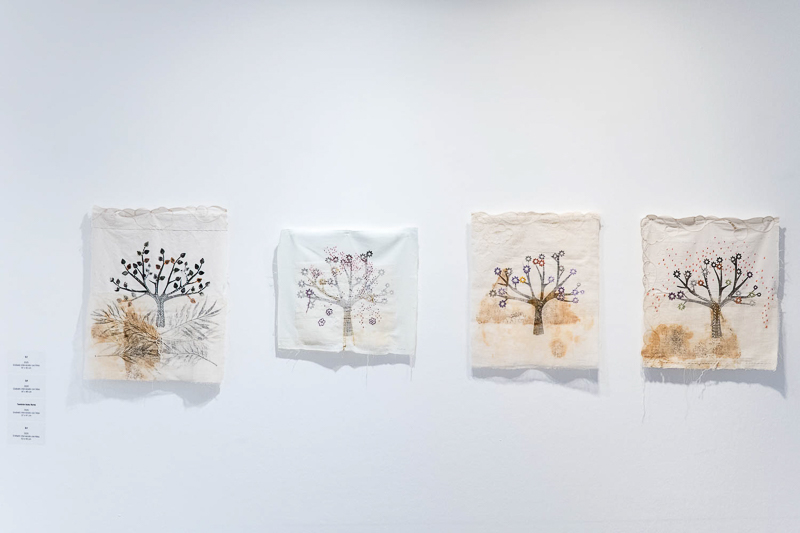
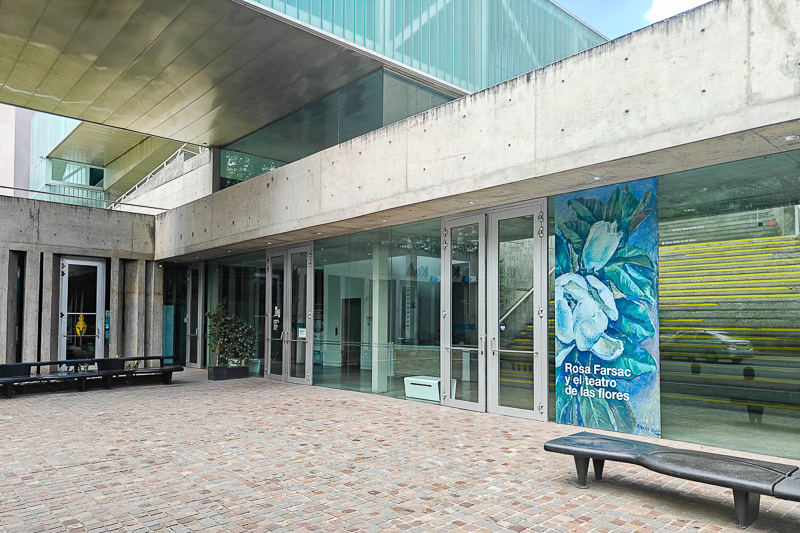
Like the Museo Superior, the rooms are large and there is plenty of space to spread out – both the art and the visitors. We saw a lot more visitors in the M.E.C., but only about a dozen. Unlike the Museo Superior, signs are in both Spanish and English, which is nice. Most the artwork in the M.E.C. is modern, largely paintings, along with a few contemporary, but not entirely weird, exhibits.
If you combined the best of both from the Museo Superior and M.E.C., you’d have a pretty good art museum. In hindsight we should have gone to both on the same Wednesday.
The third fine arts museum is the Museo Municipal de Bellas Artes Dr. Genaro Pérez. After looking at the online pictures, showing mostly contemporary works, we decided to skip it. We seriously doubted that it would contain any artwork of interest to us.
Much to my surprise Córdoba also has a photography museum, Museo Provincial De Fotographía Palacio Dionisi. Again, the naming of these museums leaves something to be desired. Yes, there are a handful of photographs in this small, two-story museum. And a few of them are interesting. But it’s mostly just contemporary and avant garde art exhibits in an old building with no air conditioning.
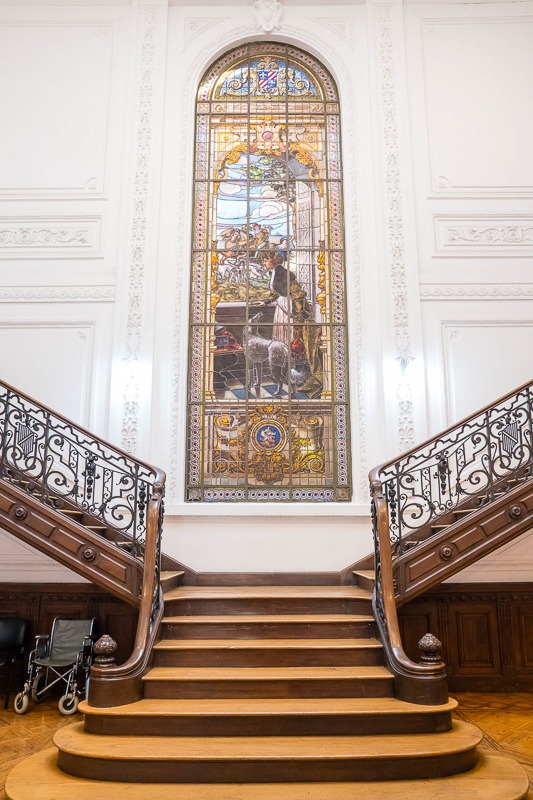
The highlight of the photography museum is a massive stained glass window just inside the entrance. We should have just left after admiring the window.
I think it took us longer to buy the tickets than it did to walk through the museum. The lady at the ticket desk spent way too much time trying to explain the museum to us in a combination of Spanish and rudimentary English phrases that never really meant what she was trying to convey. Going to the photography museum cost us two tickets at $3,000 Ar each (about $4.25 total) and 20 minutes down the drain. This is the museum we should have visited on a Wednesday for free day. Hopefully our money is put to good use.
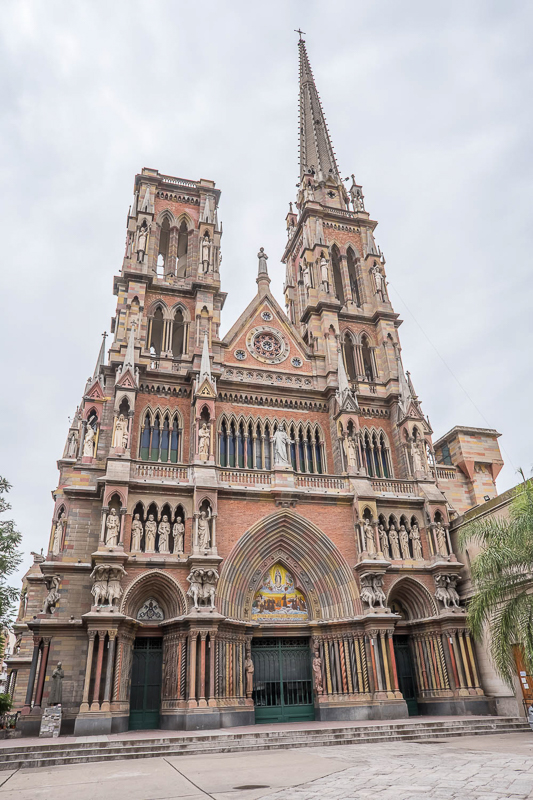
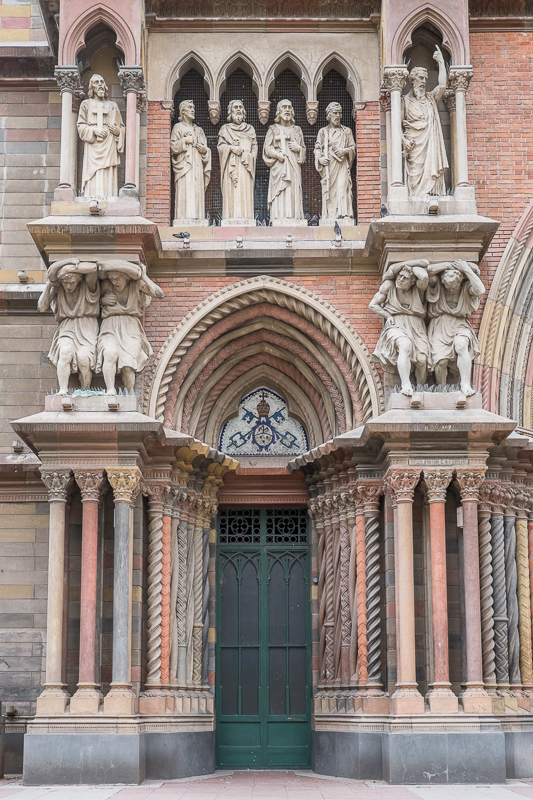
After leaving the photography museum we walked a few blocks to get a much needed cultural reset at Iglesia del Sagrado Corazón de Jesús, a large church with a colorful exterior façade. One of the reasons we like going to old cathedrals and churches is because they are like museums with beautiful stained glass and artwork. This one is different and definitely colorful, but needs upkeep.
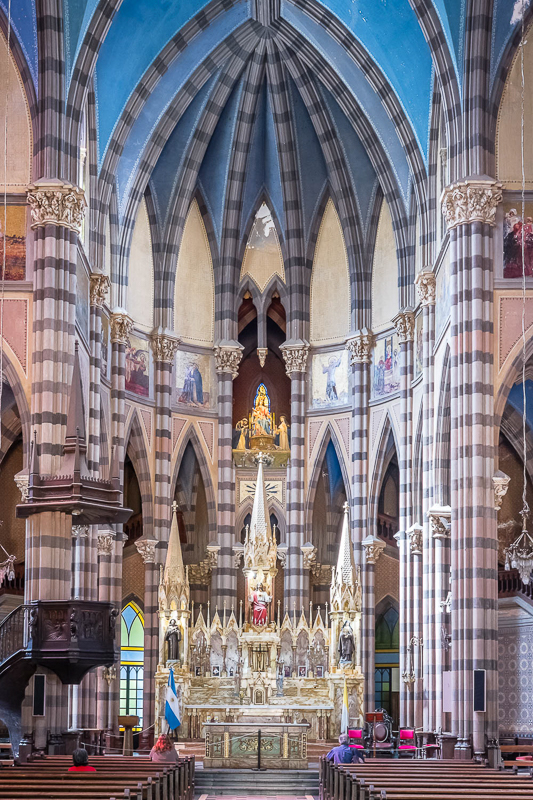
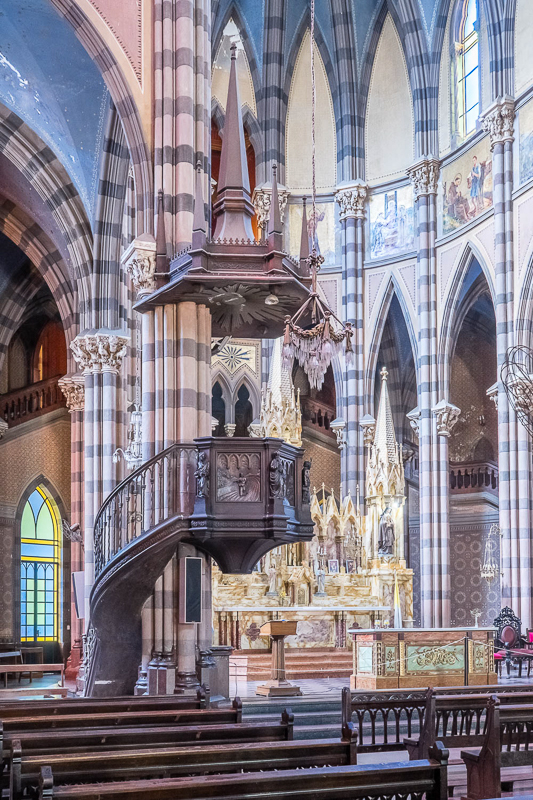
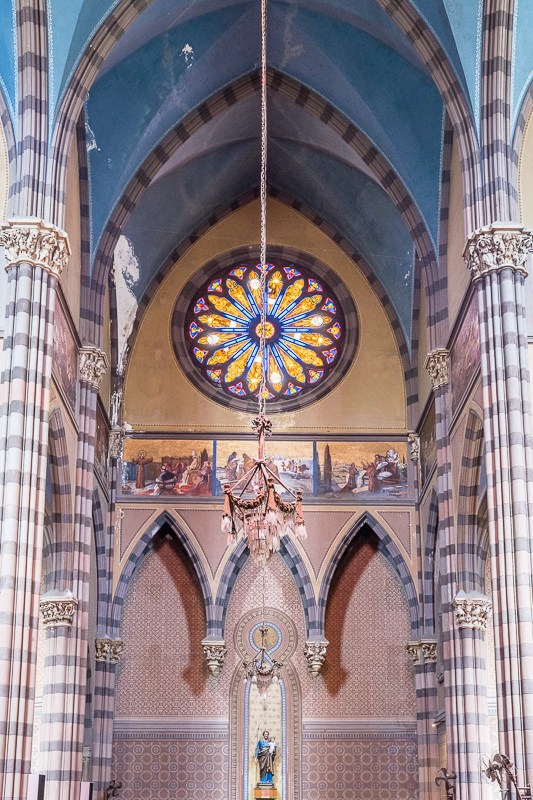
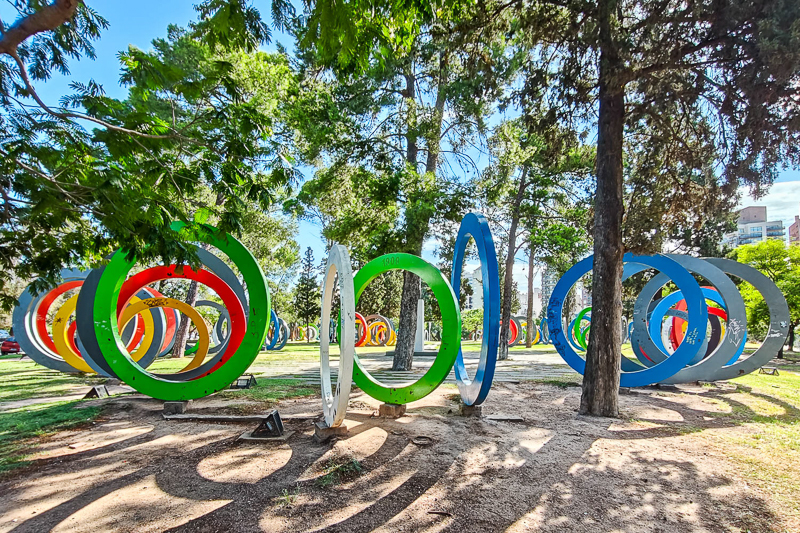
On one of the few cool days we had in Córdoba we took a stroll through a few parks and went out to dinner. Plaza del Bicentenario was our first walk through. It is notable for an art installation of large colorful rings. Interesting enough, but not so much to actually make you want to stop.
Parque Sarmiento begins across the street. It is a huge park with several distinct areas. We strolled through an area with walking trails, lawns, and ponds. This is the place where the local university students go with a blanket, girlfriend (or boyfriend), and a mate kit.
We’re sure glad we went to a mate tasting class in Buenos Aires so I don’t have to wonder why so many people appear to be drinking wet grass through a fancy metal straw.
Across the street from us were playgrounds and a carousel for kids, a skate park, food trucks, and more walking trails. A bit farther north is Parque de la Biodiversidad which, like the Ecoparque in Buenos Aires, is a former zoo. It is now in the process of being converted to a park for conservation and animal welfare. We probably should have visited it, but really didn’t feel like walking through another zoo with little to no animals.
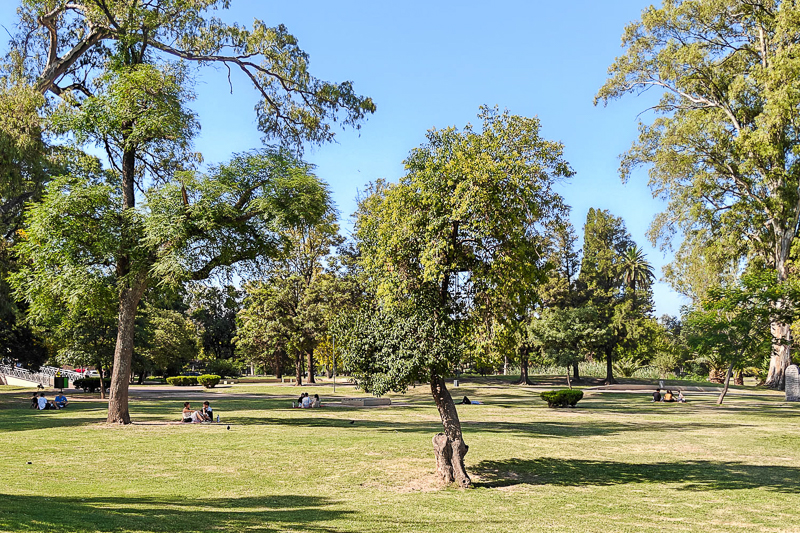
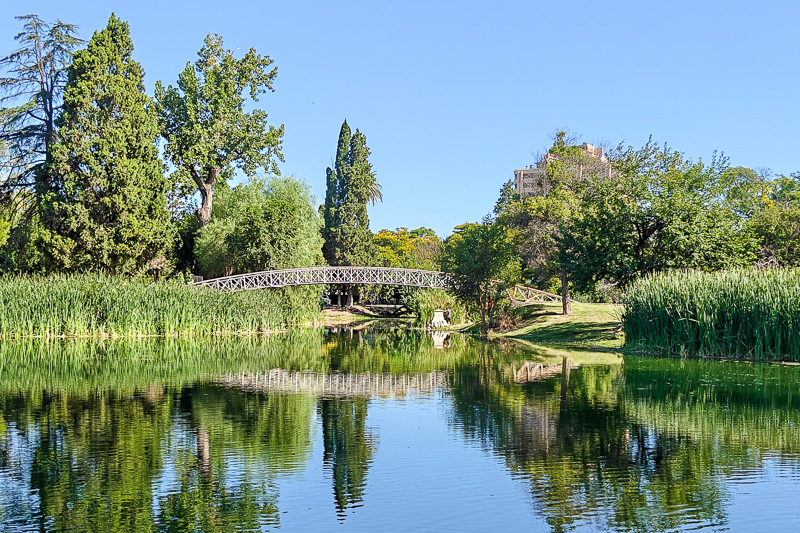
Our journey through a slice of Parque Sarmiento ended at Santi Calma, a restaurant with a huge outdoor space. I’m not sure why anyone would ever go here to sit indoors. The menu is huge, accessed online via a QR code. Our server made sure we got connected to the wi-fi when we sat down. As with many restaurants that have extensive menus, the food was just okay. The portion sizes were ridiculously large. We could have easily split a sandwich and fries. Which we should have done considering the prices.
Hell, Stephanie’s sandwich and fries alone could have fed a family of four. She ended up taking half of her dinner in a to go box, giving it to a homeless guy (who was very excited and appreciative) on the walk back to our Airbnb.
Much to our surprise, we came across advertisements for the upcoming Carnaval de Jazz Córdoba 2026 (the Córdoba Jazz Carnival), an event “inspired by the Mardi Gras tradition of New Orleans” combining music, dancing, and a parade. The parade was scheduled to begin at 6:30 PM on Monday, with bands taking the stage at the plaza in front of city hall at 8:00 PM. We figured out the parade route and found a wall to sit on along the river waiting for the parade to pass by.
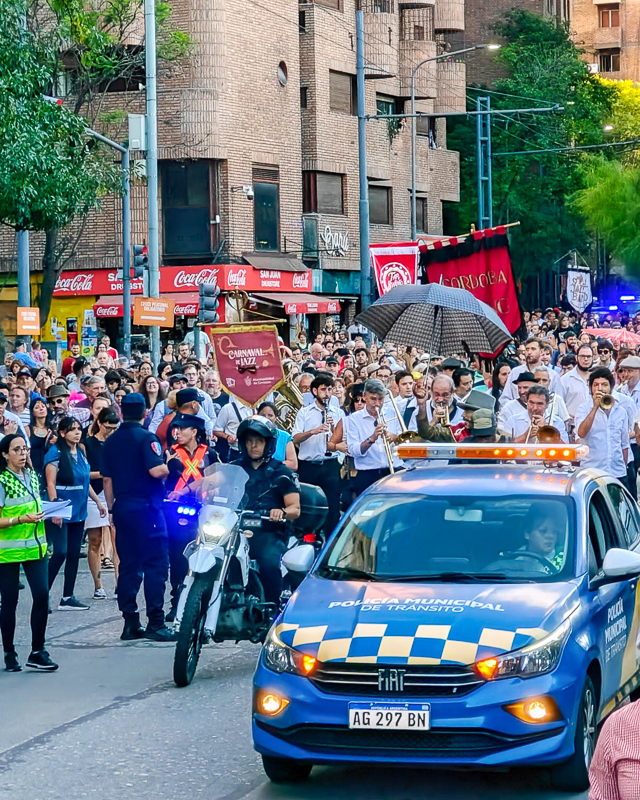
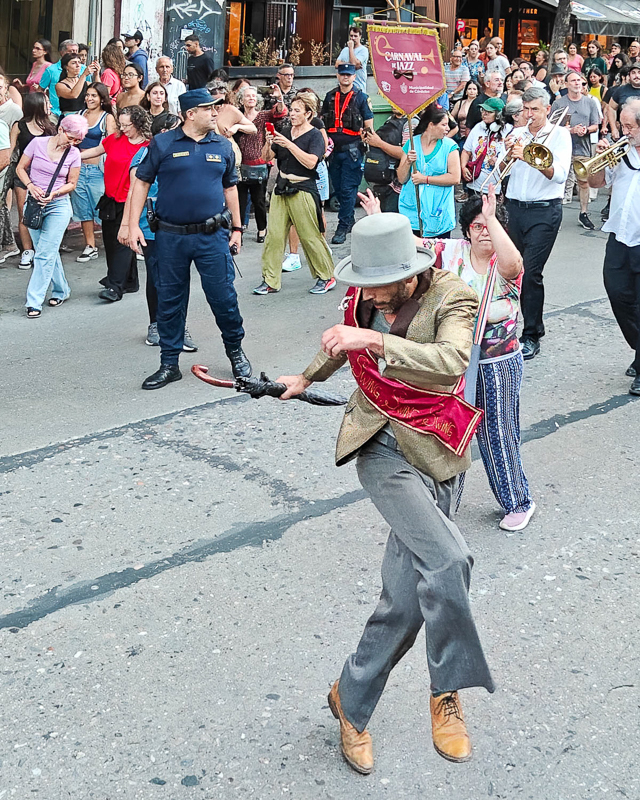
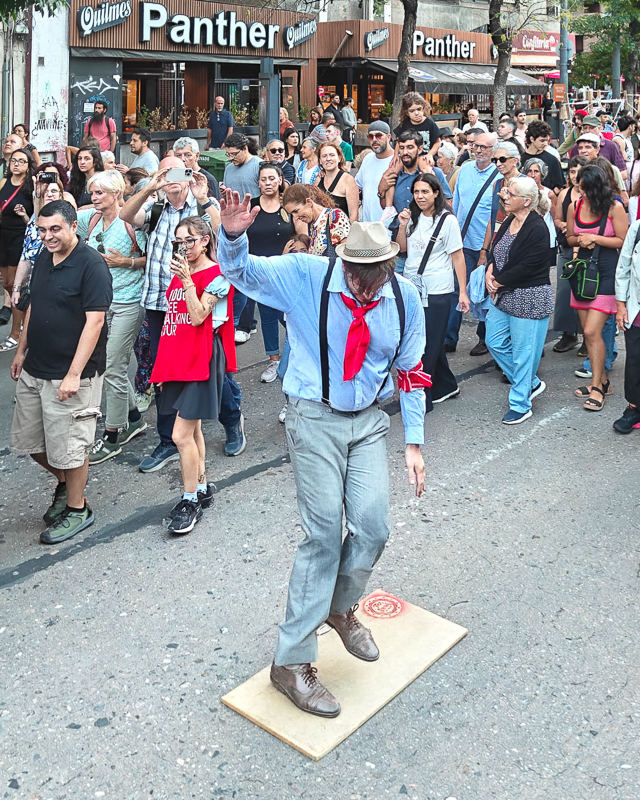
After waiting for over half an hour, mostly wondering if we got the details correct on the route, the parade finally made it to our location at about 7:30 PM. We quickly discovered that in Córdoba a Mardi Gras style parade means the Small Jazz Band and Córdoba Swing dance club walking along very slowly followed by a trail of a couple of hundred folks clapping and dancing to the music. The crowd following the parade was multiple times larger than the number of band members and dancers combined.
No floats, no costumes, no masks, no beads, no tits, no beer. Sigh. On the plus side, no pickpockets, no muggings, no public urination, and no busted car windows.
Anyway, it was good music and a nice parade, so we got in line at the rear of the parade and followed along for several blocks to Paseo Marqués de Sobremonte, the ending plaza.
We stayed and listened to the first band play for a short time before leaving. We might have stayed longer but there were no food trucks on site. Maybe a dozen people brought lawn chairs to sit in front the band, but they were quickly overwhelmed by the few hundred that chose to stand.
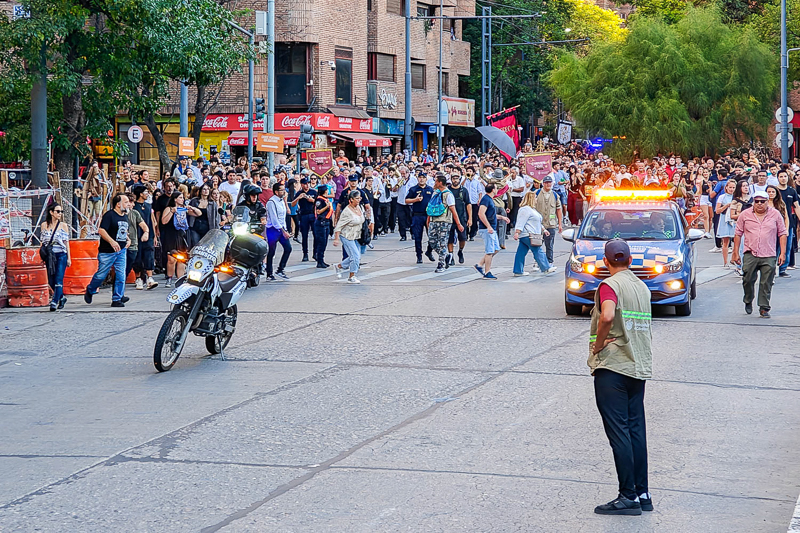
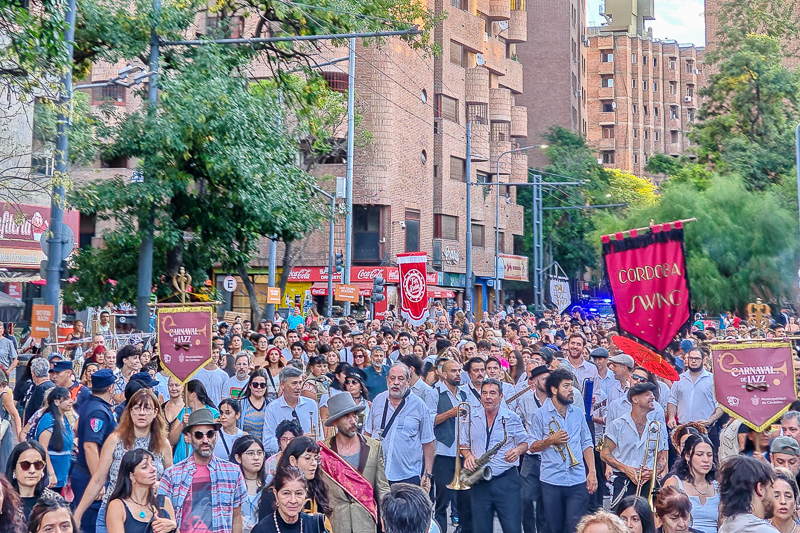
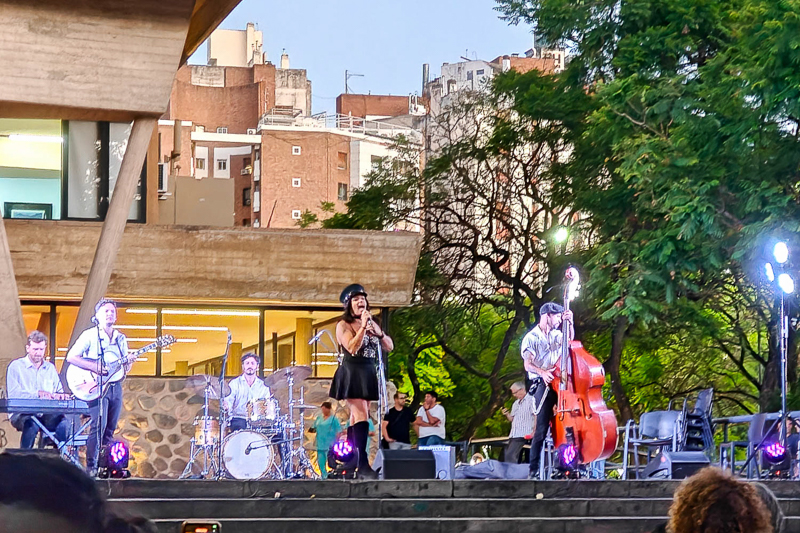
Overall we guessed that somewhere around 600 to 800 people came out for the event, which is actually a pretty sad attendance for a city of this size. If we were to do it over, we’d have carried a backpack with a few cold beers.
Someone with a food truck needs to find a way to get involved, too. They’d make a killing selling snacks and drinks.
The next morning – not hungover, nowhere near it – we discovered that Carnival weekend is actually a national holiday in Argentina, basically creating a four day weekend. For us it was just a regular Tuesday except that everything was closed other than a few of the small convenience stores. This served as a reminder to us to always check for public holidays and closings in new countries.
After two weeks here, it is time to move on. While we both really like Córdoba, and it served as a great place to relax and warm up after being in Antarctica, there’s just not a lot to do here that excites us.
Garrett and Stephanie
If you have not already done so, read our other post about Córdoba:
Córdoba, Argentina (February, 2026, Part I). This is Argentina without foreign tourists.
For additional posts about Argentina, or elsewhere in the world, check out our Travel Blog. It contains collected links to all of our travel posts.
Want to subscribe (or unsubscribe) for email notification of new blog posts? It is only two to three emails a month. Send your name and email address to slowtravelchronicles@gmail.com, and note subscribe (or unsubscribe) in the subject line. All email addresses will be kept confidential and not sold to any third-party. You won’t get any marketing junk or sales pitches from us.