Going to Antarctica was never on the bucket list. But a friend pitched the idea to Stephanie, got us thinking, and the next thing you know we are booked on an expedition cruise to Antarctica with Atlas Ocean Voyages for 11 nights.
Essentially we got a 2-for-1 deal (which is not uncommon if you book well over a year in advance), plus another 10% discount (through Go With Less), and other assorted incentives such as $200 onboard credit per person and free “social media” wi-fi (good enough to surf the internet without streaming).
We put down a small deposit in August of 2024, most of which was refundable ($250 cancellation fee) if cancelled before the final payment came due in September of 2025. For a luxury cruise of this type, plan on spending at least $1,000 per person, per day (if not more). Yeah, this was really expensive.
Let’s start with an overview before getting into the details of our cruise.
Itinerary:
Spend the night at the Hilton Buenos Aires (one night, included);
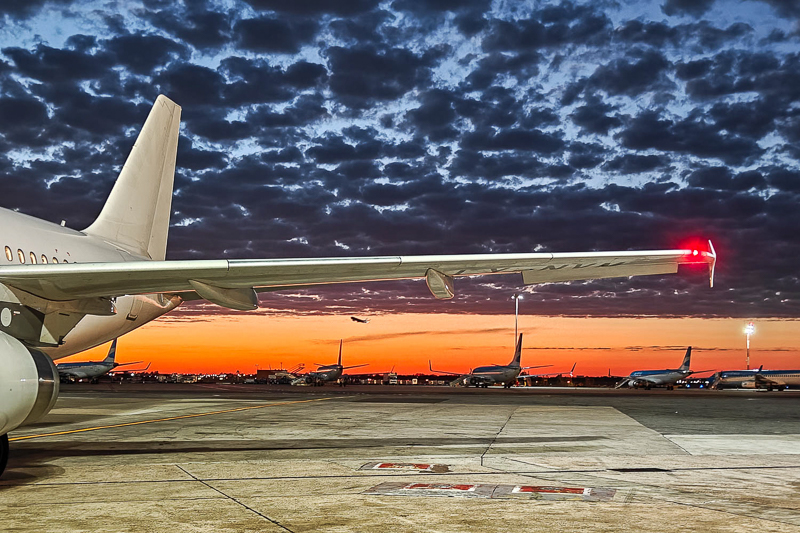
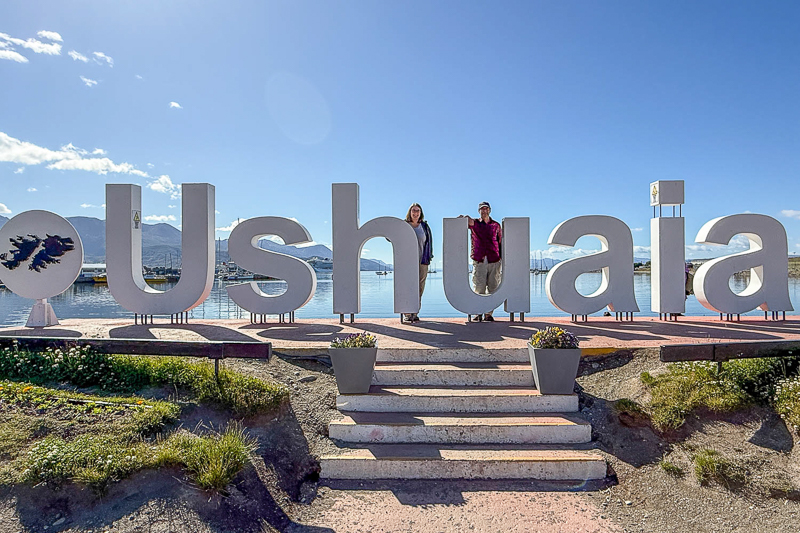
Early morning bus to the airport for a charter flight to Ushuaia (included);
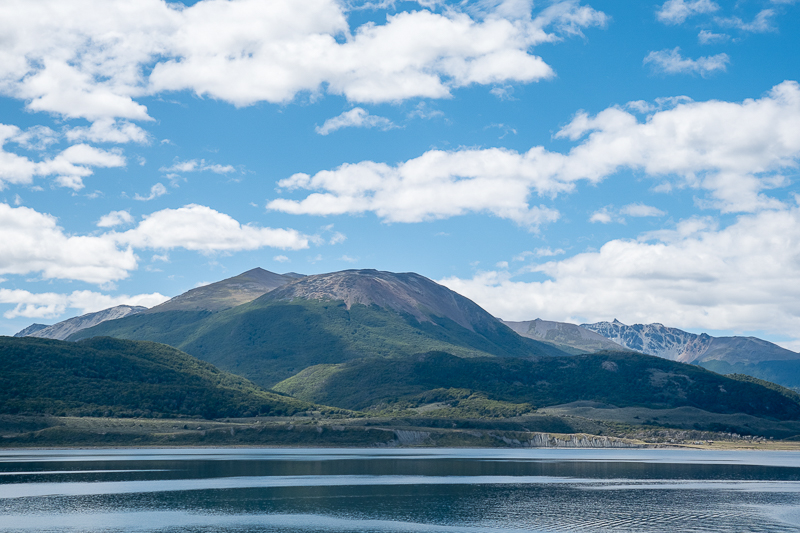
Tour by bus of Parque Nacional Tierra del Fuego (included);
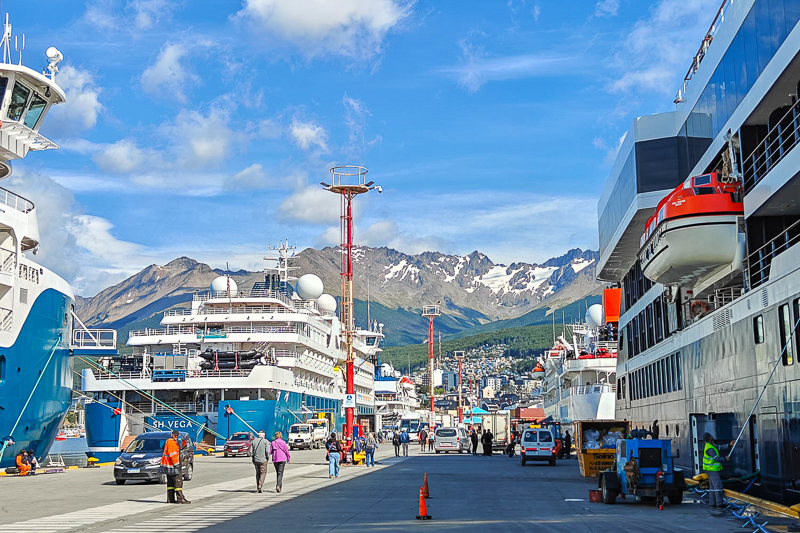
Board the World Navigator;
Two days crossing the Drake Passage;
Four days at the Antarctic Peninsula, with two excursions each day (weather permitting);
Two days in the South Shetland Islands, with two excursions each day (weather permitting);
Two days crossing the Drake Passage; and,
Charter flight to Buenos Aires (included).
A quick note about the excursions. Each July a lottery is held among all Antarctic expedition tours to determine priority for excursion landing sites. No more than 100 individuals are allowed to be on land at any one location at any one time. The purpose of the lottery is to spread out the cruise ships, ensuring that they do not all go to the same location on the same day.
We’re not entirely sure how it works, because the landing sites are also subject to being changed at the last minute based on weather. Each ship departs with a scheduled itinerary along with the flexibility to make certain last minute changes in landing sites, if necessary.
You don’t know exactly where you will be going on the continent until the day before. In fact, because of adverse weather, our cruise never made it to the South Shetland Islands, where we had two days scheduled. Instead we spent all of our expedition days on the Antarctic Peninsula.
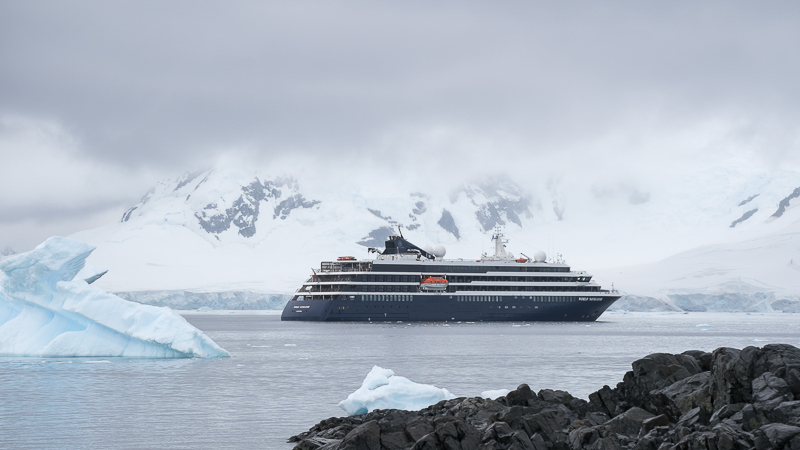
World Navigator:
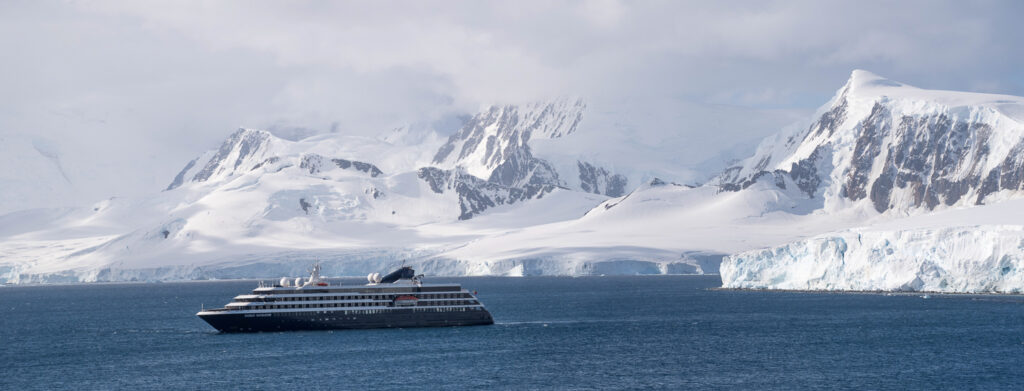
The World Navigator is a relatively new ship, being launched in Portugal in 2021. It accommodates up to 200 passengers plus crew. Our cruise had only about 180 passengers.
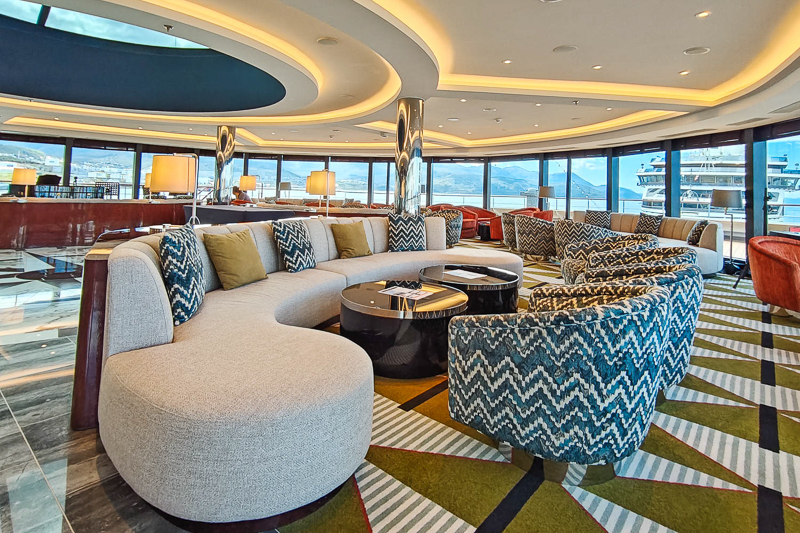
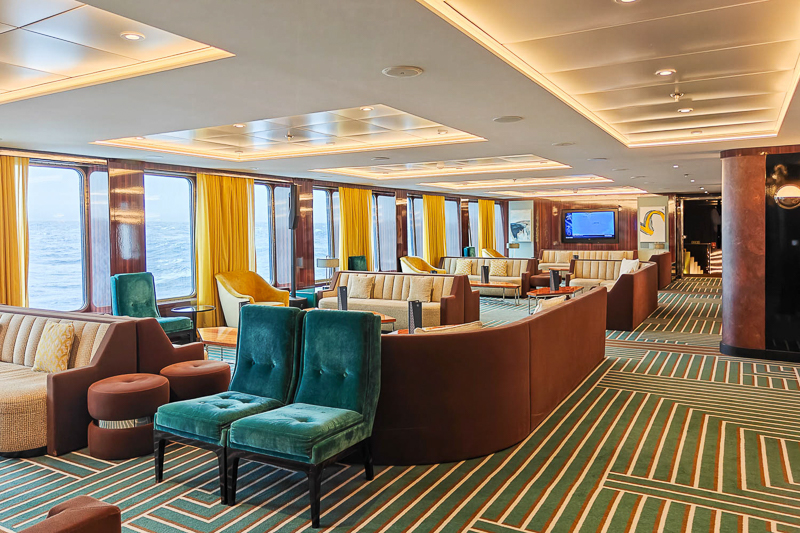
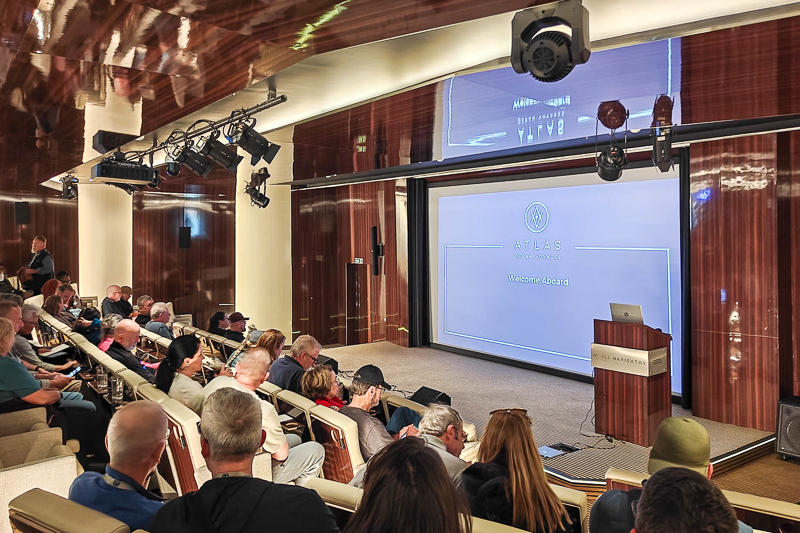
There is an auditorium, restaurant, café, gift shop, infirmary, pool, hot tub, spa, sauna, gym, a walking track, two lounges, two bars, and multiple observation decks.
Passenger cabins are spread over three levels. Each contains a stocked mini-fridge, Nespresso machine, binoculars, robes, and slippers. Most cabins have balconies. Several have Juliet balconies (a large window that opens). A few small cabins have just a regular window … while a few others are large suites. The electrical outlets are European, American, and USB style.
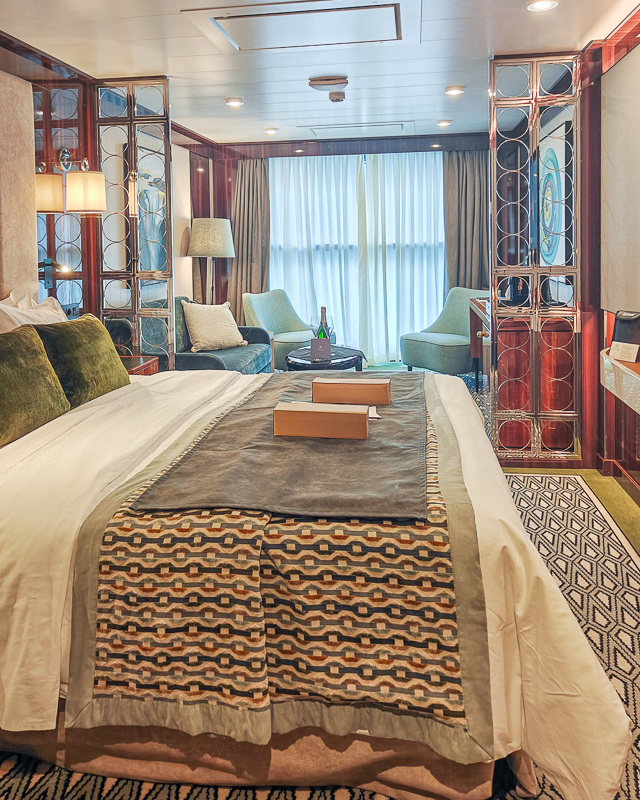
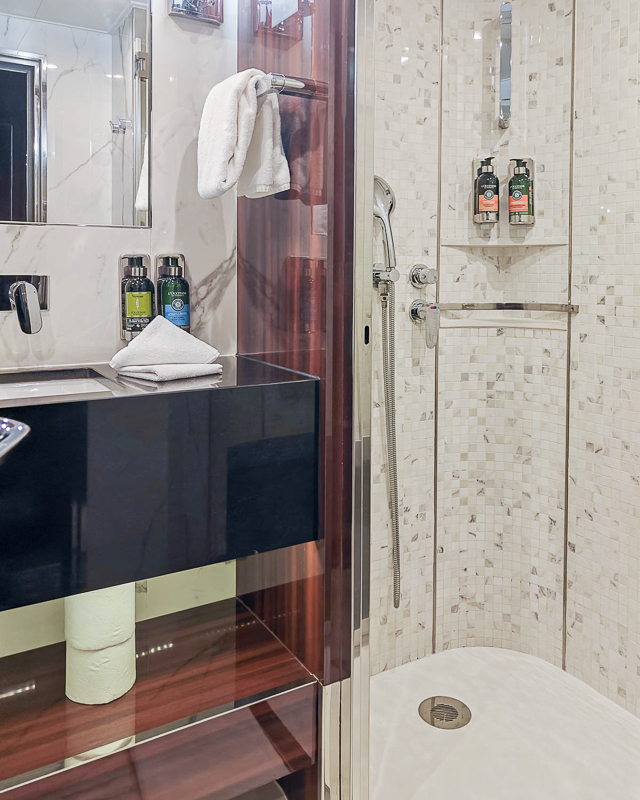
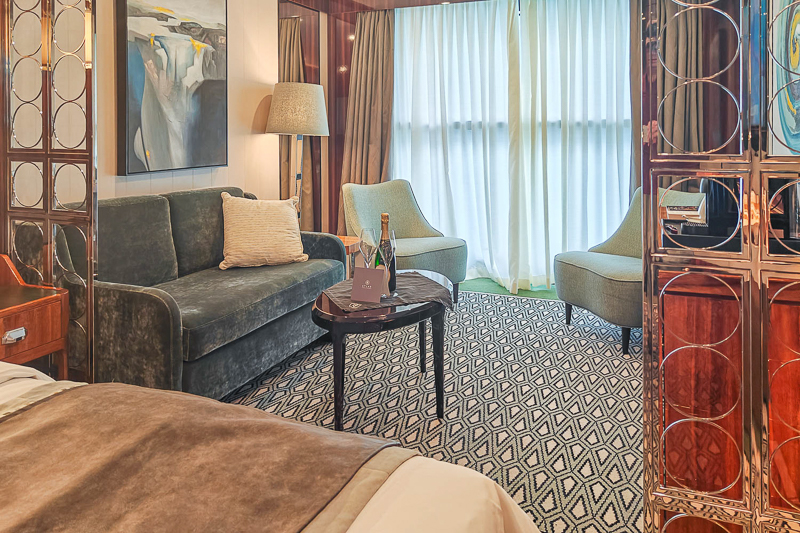
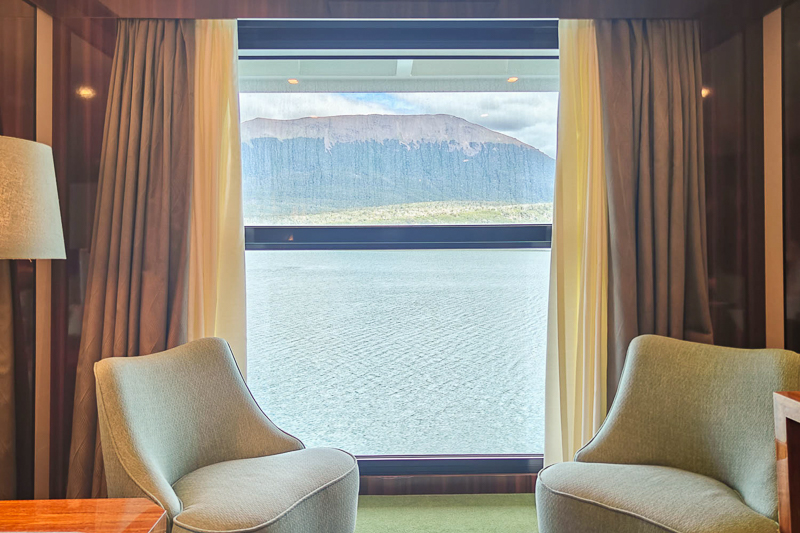
We opted for a Horizon Stateroom (on deck 6) with a Juliet balcony. The interior of our cabin was 30 square feet larger than a comparable cabin with a balcony. That may not sound like much, but it is a ton of inside space if you don’t plan on spending a lot of time on your balcony. We definitely wanted the space more than the balcony. We opened our window quite often for short periods of time when the scenery demanded it. Otherwise, an observation deck was just down the hall if we needed to be outside.
Of course the cruise was all inclusive: food non-stop; more sugary deserts than one can eat; a wide assortment of beverages; and, plenty of alcohol.
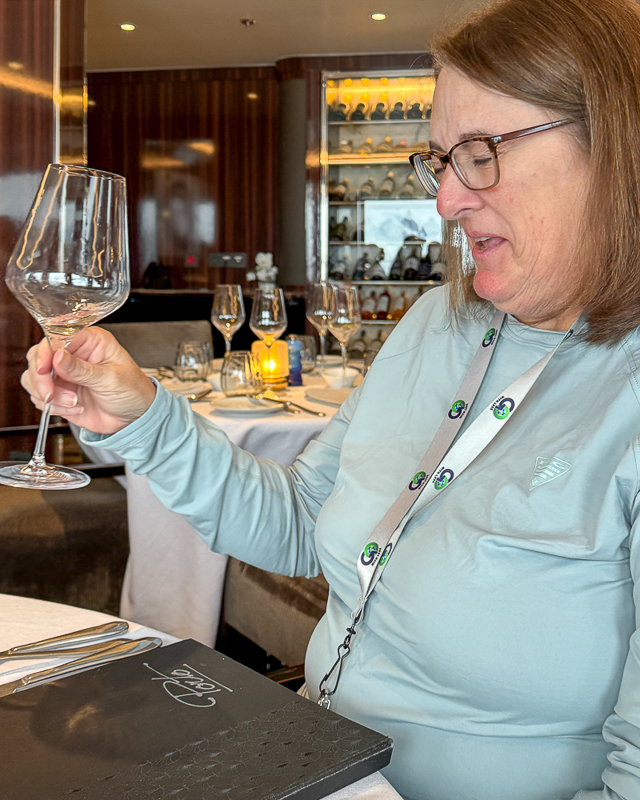
Breakfast and lunch in the main restaurant (aptly named Porto) is buffet style with the option to order off a limited menu. Eggs and omelets are on the menu for breakfast; burgers and sandwiches for lunch. There are plenty of options for even the pickiest eaters.
Dinner is sit down only, order off the menu (starters, appetizers, main courses, and deserts). There is no buffet option for dinner. Dinner service, unfortunately, tended to be slow. It was not uncommon for us to have a 90 minute dinner consisting only of one appetizer and one main course each.
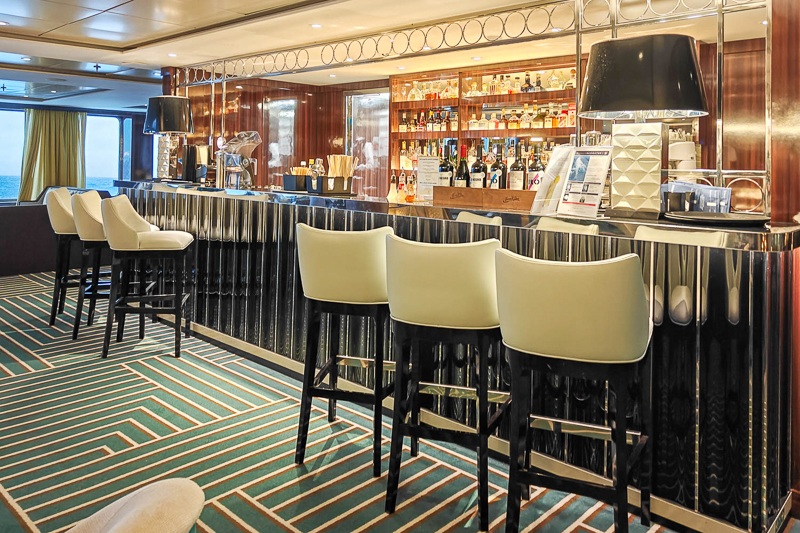
One night we had dinner with friends who insisted on ordering multiple appetizers and main courses, after a starter, ending with desert, and trying several bottles of wine along the way. We were there well over two and a half hours, long enough for me to almost kill somebody.
Room service is available 24 hours a day. The menu is limited, mostly burgers and sandwiches. We ordered room service for dinner twice, because some days we just could not face the prospect of getting dressed for a 90 minute dinner. In hindsight, we did not order room service often enough.
Overall the food was really good, much better than I expected. We were never hungry. Two excursions a day were not enough to burn off the calories we were consuming.
The café served over a dozen types of coffee and tea along with pastries, muffins, donuts, and the like. I quickly became fond of picking up a hot chocolate and pastel de nata upon returning to the ship from the afternoon excursion.
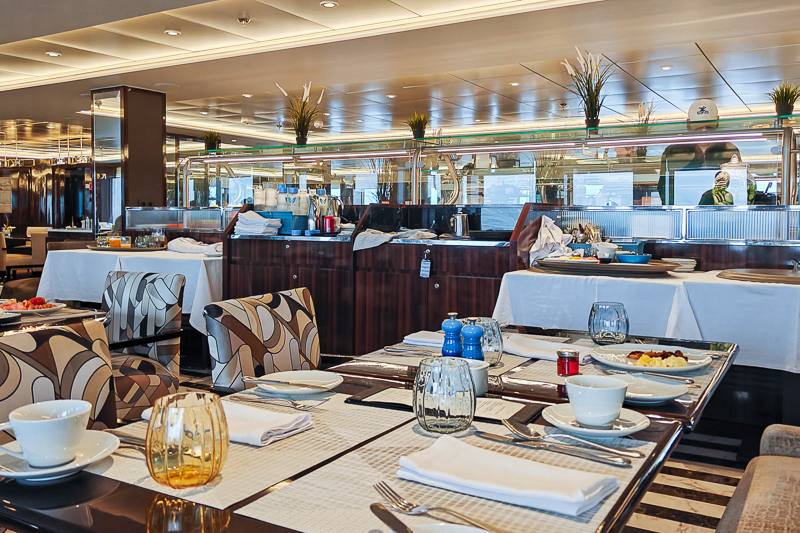
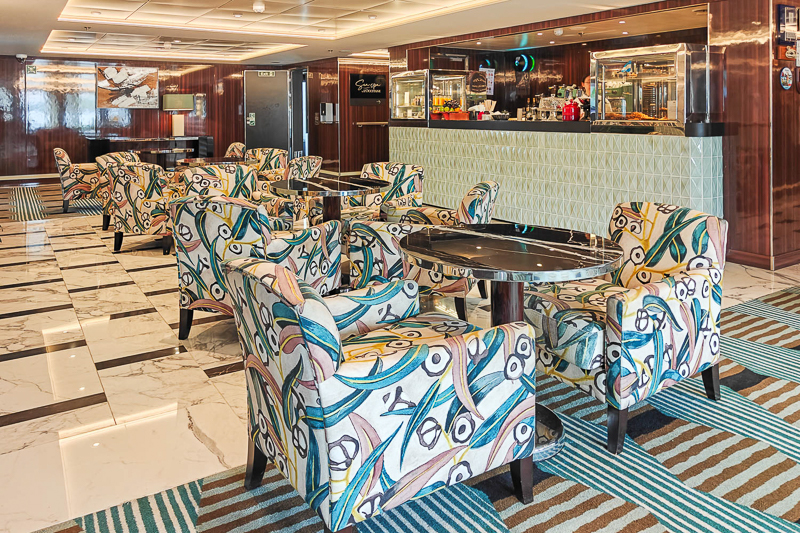
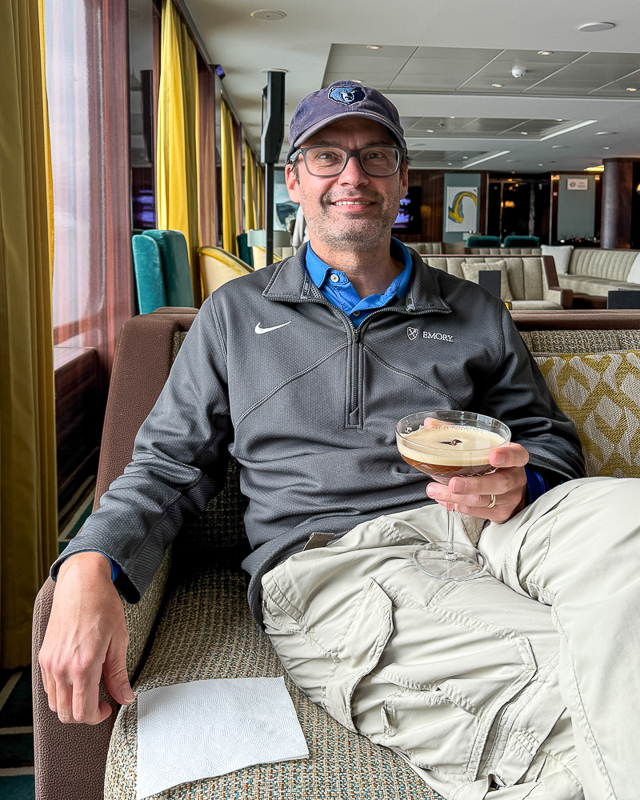
Fully stocked bars are found in the lounges on levels 4 and 7. Just by looking at the dozens of bottles of alcohol, I don’t think anything of significance was omitted. The beer options were mostly fancy European (such as Heineken and Stella Artois) with Super Bock (Portuguese) on tap. Strangely, but to our relief, there was also Coors Light.
I’m near certain that Stephanie and I were the only ones on the ship drinking Coors Light. Hell, we might have been the only ones on the ship in the past few years drinking Coors Light. The crew was probably glad to get rid of them.
Extras available for purchase using your onboard credit (or a credit card) – all of which are expensive – include different wi-fi packages, premium liquors and wines, laundry (by the item), and random items in the gift shop (mostly t-shirts, sweaters, hats, and trinkets like magnets and keychains).
Since we got free wi-fi, that was a non-issue for us. As Busch Light drinkers, there was never a thought of paying for premium liquors and wines. A bag of laundry special ($40) was offered twice during our cruise. That’s a lot of money for a load of laundry, but a bargain compared to the price per piece options.
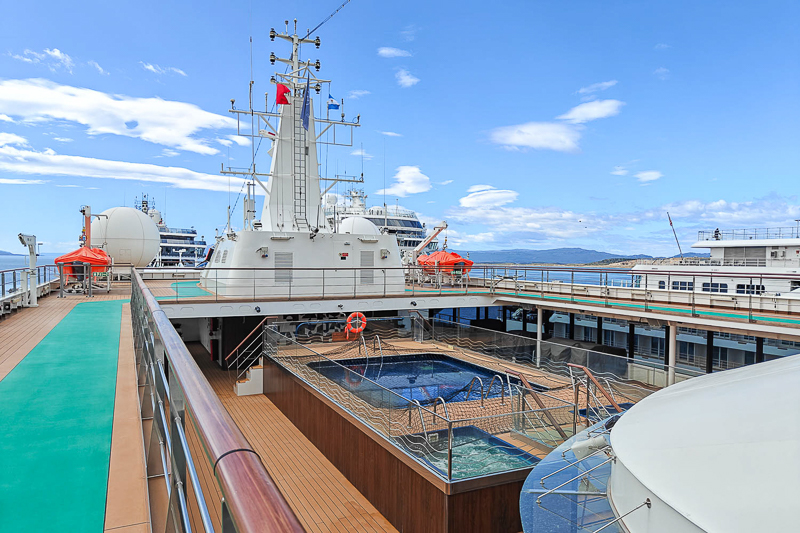
A polar plunge (free), sea kayaking ($200 per session), and camping on the continent overnight ($750) were also offered. A lot of people spent their onboard credit going kayaking. We seriously thought about it, but decided not to because the weather conditions were unknown. You had to commit to kayaking days in advance.
There was no way in hell we would ever plunk down $750 each to spend the night in a sleeping bag in a hole dug in the snow. Never a thought. (Spoiler alert: the people who did go camping regretted it, for reasons that will be explained later.)
We spent our onboard credit as follows: two bags of laundry ($80); a massage for Stephanie in the spa ($165); three t-shirts and a postcard in the gift shop ($70); with the rest going to gratuities for the crew (along with a little extra out of pocket).
The World Navigator’s crew is super friendly and helpful. While gratuities are included, most folks opted to leave something additional. The bartender at the bar on level 4 got an extra nice tip because he knew to put several bottles of Coors Light in ice to get them extra cold for Stephanie before she wandered into the lounge about 8:00 PM each night.
In sum, it’s a well-run, nice ship.
Daily Excursions:
The itinerary called for two excursions a day, for six days, depending on weather conditions. As it happened (more on this below), an early decision made by the ship’s captain, coupled with reasonably good weather for the week, got us two excursions a day for seven days. More than we could have asked for.
Excursions are one of three types: a landing; zodiac cruising; or, a combination of both. The passengers were divided into four groups, imaginatively designated A, B, C, and D. For excursions, groups A and B were always paired together, as were groups C and D. This ensured that no more than 100 people would ever be on land at one time.
The landings and zodiac cruisings took place in roughly one hour shifts. For landings, if groups A and B went first, then groups C and D would go about an hour later. Likewise for zodiac cruisings, two groups would go, followed by the second two groups about an hour later. The starting order alternated each day. If groups A and B went first on day one, they would go second on day two, and so forth.
Combined landing and zodiac cruisings operated similarly. Two groups would start with a landing, while the other two groups would then begin zodiac cruising. After an hour, those in the zodiacs were dropped off at the landing site, while those on land boarded the zodiacs for a cruise. After the second hour those in the zodiacs were returned to the ship before those on land were picked up.
Combined excursions were our favorite because those lasted for two hours instead of only one.
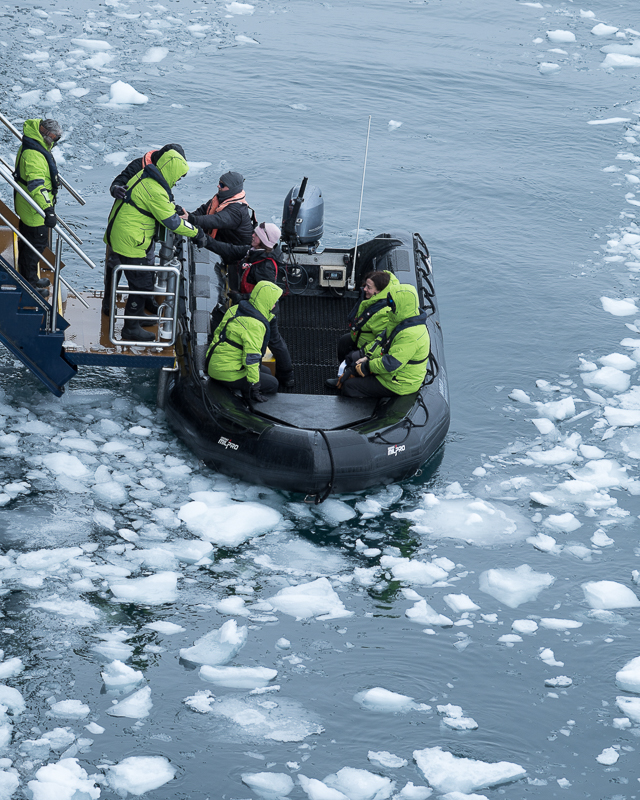
Kayaking groups also went out almost daily, usually in the morning, but sometimes in the afternoon. The folks kayaking missed whatever excursion was otherwise scheduled at that time.
Generally the morning excursions started around 8:30 AM and the afternoon excursions about 2:00 PM.
Here we should note that having four 45 person groups had one notable unintended consequence. Stephanie and I were in group A and we spent almost all our time on the cruise with other people in groups A and B. On landings and in zodiacs, we were always with others in groups A and B. Those were the people we got to know because we were with them every day.
And because of the staggered excursion schedules, this also meant that we were almost always on the same dining schedule with others in groups A and B. When you attend breakfast, lunch, and dinner is directly influenced by whether you are scheduled for the early or late excursion each day.
Actually we got very lucky. Several friends that we met in Buenos Aires prior to the cruise were also in either group A or B.
Over the course of the 11 day cruise, I bet we met far less than half the people in groups C and D.
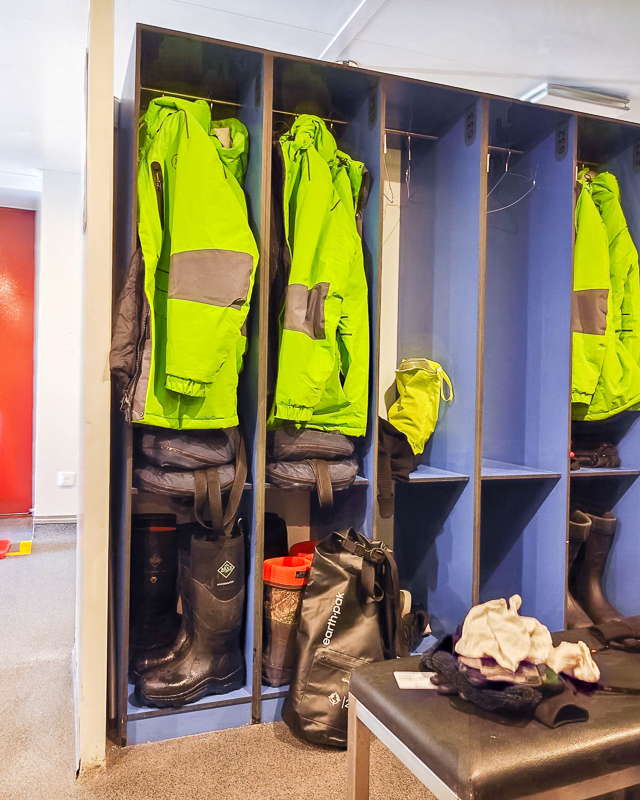
Each excursion begins with a trip to the mud room, where each cabin is assigned to a locker containing parkas (with a zip out vest), life jackets, and waterproof mud boots. Hiking poles are provided at each landing site for those who wanted to use them.
The expedition cruise operators utilize different colored parkas, presumably making it easy to keep track of guests at a distance. For Atlas it’s lime green. The parkas were ours to keep at the end of the cruise. Living in Memphis, we have no need for parkas so we only kept our vests. But even if we lived in the north I’m not sure I would have kept a lime green parka.
Yes, we each looked like a miniature, and possibly radioactive, neon lime Jolly Green Giant.
Clothing:
Thankfully the cruise is very informal, so outdoor gear was worn all day, every day. No one changed into anything fancy at night.
Our typical ship wear was a pair of convertible hiking pants with a long sleeve pullover. I’m not sure what the temperature was on board, but the ship was kept reasonably cool. Very few people wore shorts or short sleeve shirts.
Weather and the type of excursion dictated, to some degree, our choice of clothing for the day.
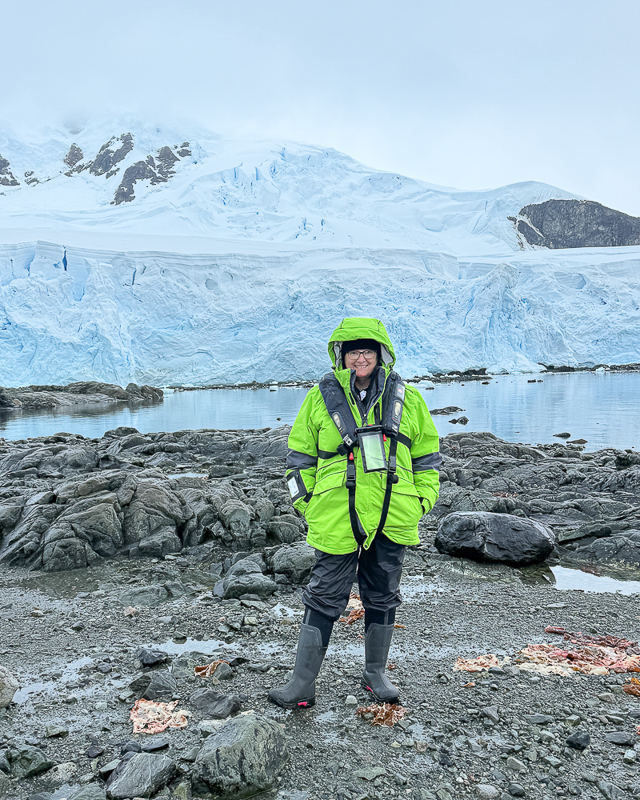
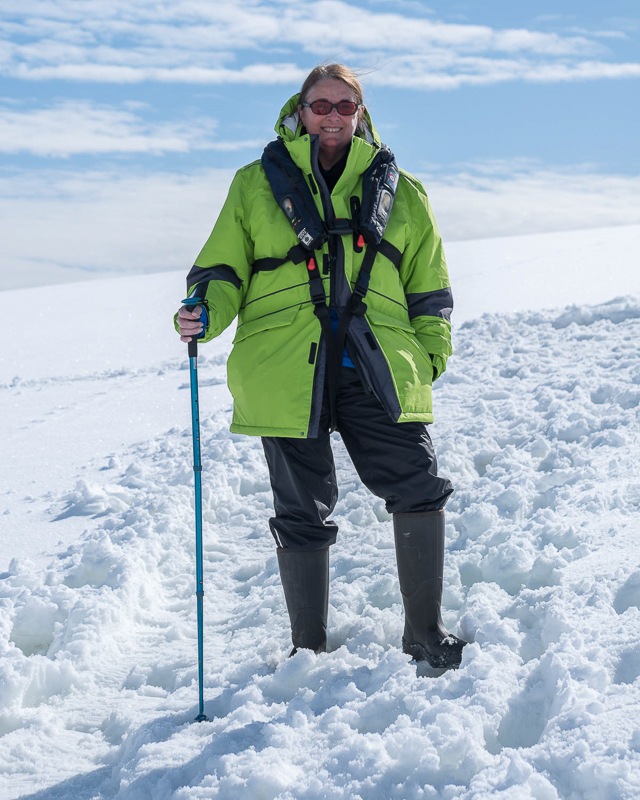
On excursions Stephanie and I each wore a pair of hiking socks and three pairs of pants (base layer, thin convertible hiking pants, and a thin waterproof outer shell). We were largely comfortable with this combination regardless of the weather or type of excursion (landing versus zodiac cruising).
The parkas, however, gave us fits. We had a few days of overcast, cool weather (around 34° F, 1° C) with light rain. On those days we needed the parka, vest, base layer shirt, and a pullover to be comfortable. Especially when riding in a zodiac as the element of wind is added.
But on the days in which it was sunny and warm (near 40° F, 4.5° C), we found ourselves just wearing a t-shirt under the parka and vest. Anything more and we were roasting on land. Quite a few people removed the vest from their parka in an effort to cool off. It was also not uncommon to see people half out of their parka while on land.
We always had sunglasses, a hat, neck warmer, and gloves, though the neck warmer and gloves came off from time to time.
Camera Gear:
I’d estimate that 70% of the passengers just took photographs and videos using their phones. You can get close enough to most wildlife to get away with just taking a phone, but you might find yourself wanting to crop the photographs a lot.
Surprisingly there were quite a few people with Go Pros on the end of selfie sticks, maybe 10% of the passengers or so.
The rest of us, about 20%, carried DSLR or mirrorless cameras from Sony, Nikon, Fuji, or Canon. Of those, most just brought a standard zoom in the 24mm to 120mm range. Only a few, no more than 10 of us, brought a larger telephoto zoom in the 100mm to 600mm range.
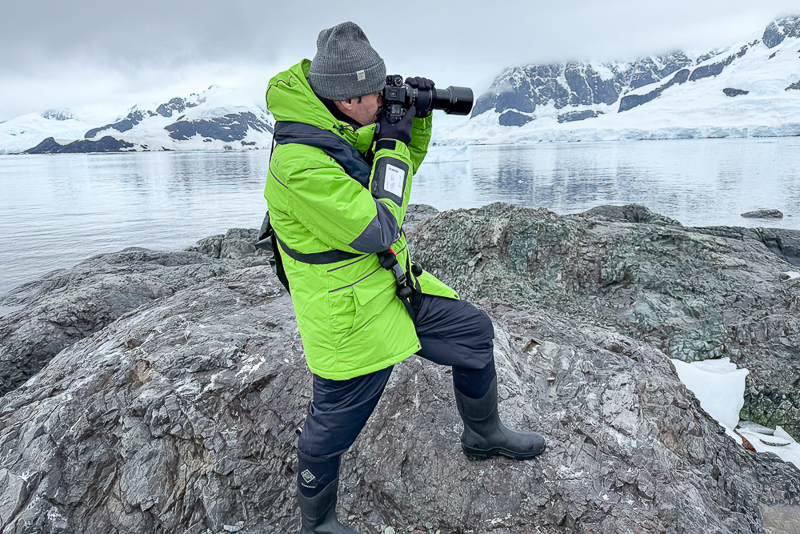
I’m pretty sure I had the most camera gear onboard based solely on the number of pieces.
Cameras (3): Fuji X-H2 and X-S20, Olympus Tough TG-5
Lenses (3): Fuji XF 16-50mm, XF 55-200mm, and XF 100-400mm
Next up … the cruise begins.
Garrett and Stephanie
If you have not already done so, read our other posts about our expedition cruise to Antarctica:
Antarctica (January, 2026, Part II, Cruise Days One to Three). Crossing the Drake Passage; gray day excursions.
Antarctica (February, 2026, Part III, Cruise Days Four to Six). Cold and overcast with occasional snow. It’s awesome.
Antarctica (February, 2026, Part IV, Cruise Days Seven to Eleven). We have blue skies! Repeat, blue skies!
For additional posts about our travels elsewhere in the world, check out our Travel Blog. It contains collected links to all of our travel posts.
Want to subscribe (or unsubscribe) for email notification of new blog posts? It is only two to three emails a month. Send your name and email address to slowtravelchronicles@gmail.com, and note subscribe (or unsubscribe) in the subject line. All email addresses will be kept confidential and not sold to any third-party. You won’t get any marketing junk or sales pitches from us.