
In 2007, Portugal announced the Seven Wonders of Portugal, the country’s most significant historic sites. Two are found in Lisbon, Mosteiro dos Jerónimos (the Jerónimos Monastery) and the Torre de Belém (Tower of Belém).
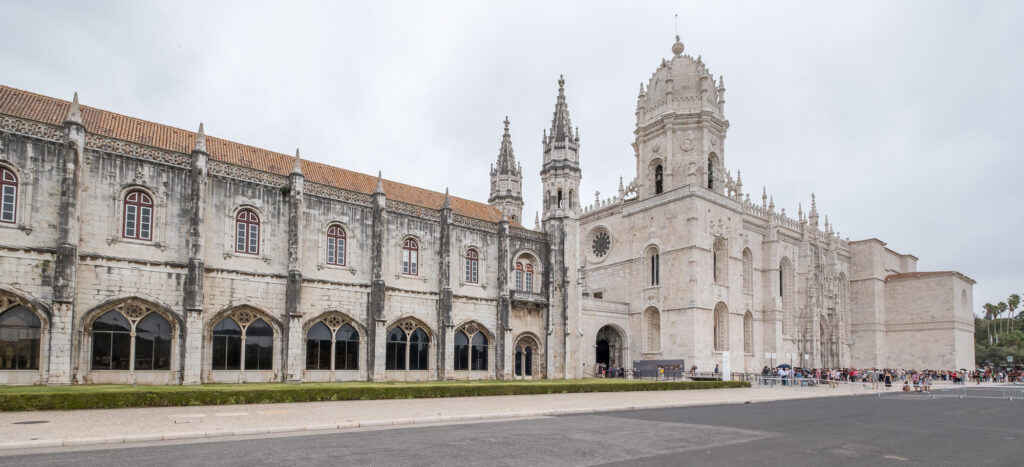
With great anticipation we set out on a Wednesday afternoon to visit these two sites, both situated just west of Lisbon’s historic city center, starting at the Jerónimos Monastery, our first Seven Wonder. It took us an hour to get there, taking the green metro line to Cais de Sodre and then hopping onto a commuter train to the Belém stop before a final, short walk to the monastery itself.
Even from over a block away we could tell that it was crowded. This is a major stop on the tourist circuit. The long line of people and presence of numerous tour busses was of obvious concern. But we traveled an hour to get here and there was no guarantee there would be any fewer tourists during the upcoming few weeks. Returning on another day was quickly ruled out.
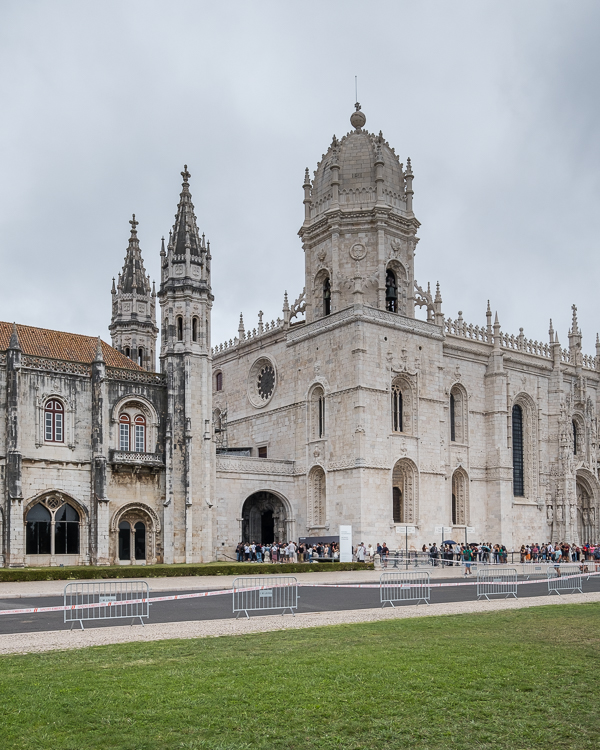
Large signs pointed the way to the ticket office. I headed over to buy our tickets while Stephanie got into the line waiting to get into the monastery. Tickets were €18 each, a small price to pay for a Seven Wonder, or so we thought.
A sign at the ticket booth advertised that the wait time to enter the monastery was an hour; however, an employee glanced at the line across the street and said it was more like 30 minutes.
I joined the line with Stephanie, tickets in hand. The wait was right at 30 minutes. We showed our tickets and then walked a bit farther before our tickets were scanned. People were being admitted intermittently to minimize the crowd inside. Going at the very end of the day when there would have been less visitors probably would have been better, but only slightly. Crowd control actually worked pretty well.
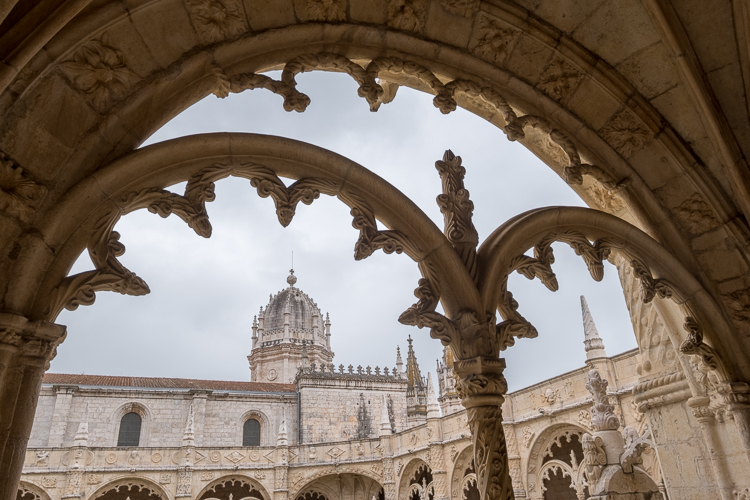
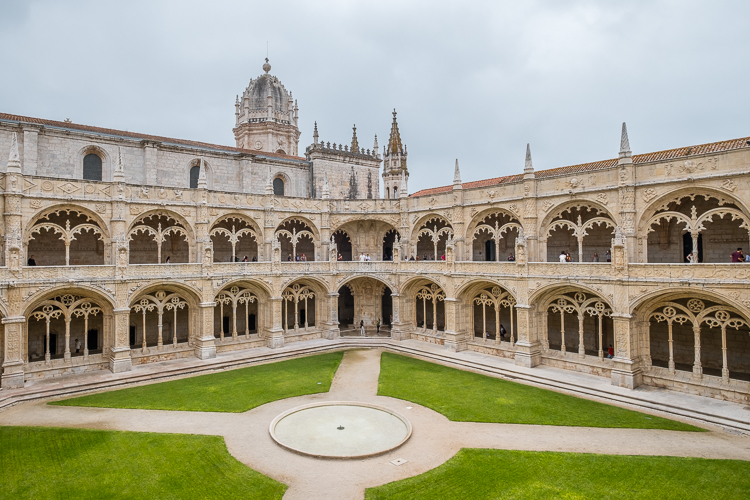
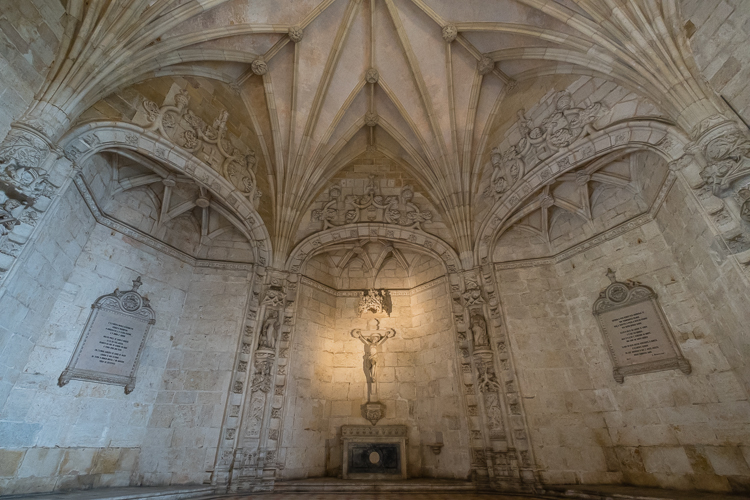
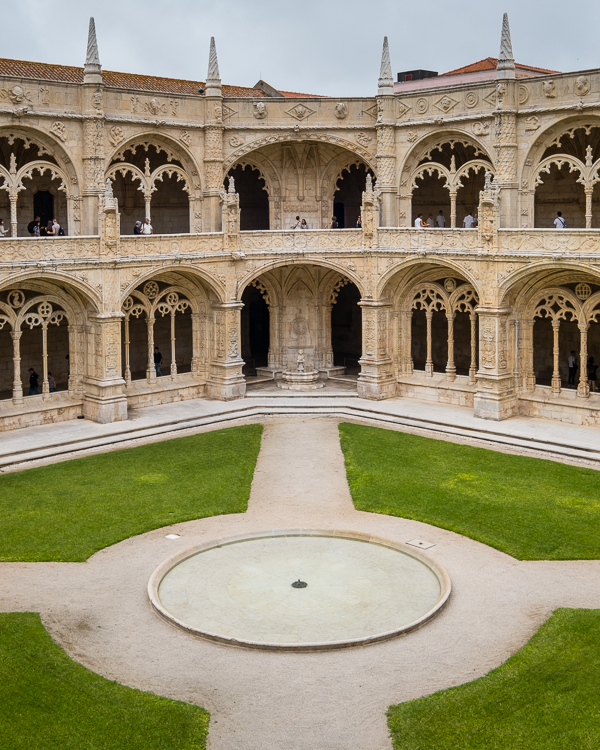
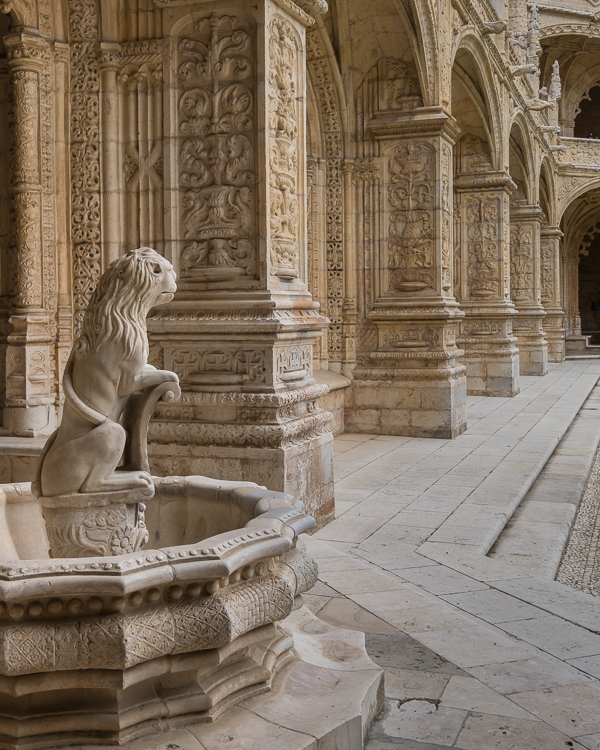
We entered the monastery, slowly walked around the cloisters (two-levels), and peeked inside two nondescript rooms. Thirty minutes later we headed out … that was it.
I mean, the building is beautiful, and so are the cloisters, but nowhere near €18 beautiful. Never before have we paid €18 to walk around a large, two-level courtyard, even if it does date to the early 1500s.
Next to the monastery is a separate entrance to the church, Igreja de Santa Maria de Belém (Church of Saint Mary of Bethlehem). Entry to the church is free. You just have to walk past and through the long line of folks waiting to enter the monastery to get to the entrance to the church.
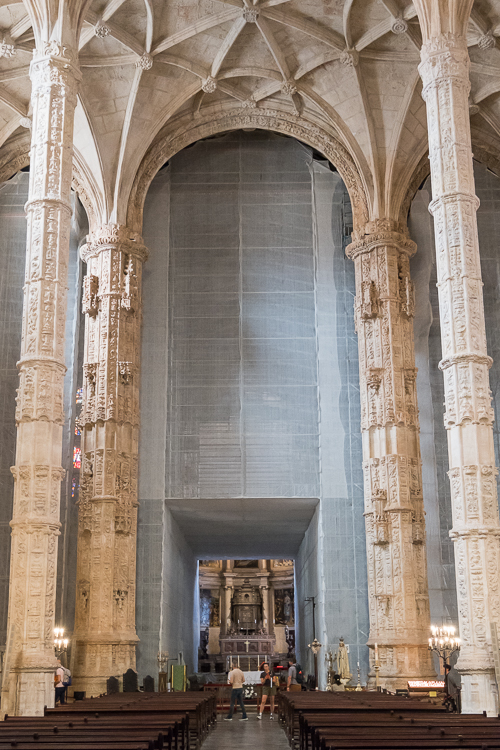
We walked into the church to find the interior largely hidden behind scaffolding. Just great. Though I bet the church will be fantastic once the renovations are completed.
At least we were just down the street from another Seven Wonder, the Tower of Belém. Also constructed in the early 1500s, the tower’s location, in part, was selected to protect the nearby monastery. After a ten minute walk we arrived to find the tower completely wrapped in scaffolding, construction fencing, and most definitely closed.
Another strikeout on a Seven Wonder.
Renovations and repairs are important, so we weren’t bothered too much by the church or tower being closed. At least we saved a few bucks. In hindsight I wish the monastery had been closed, too.
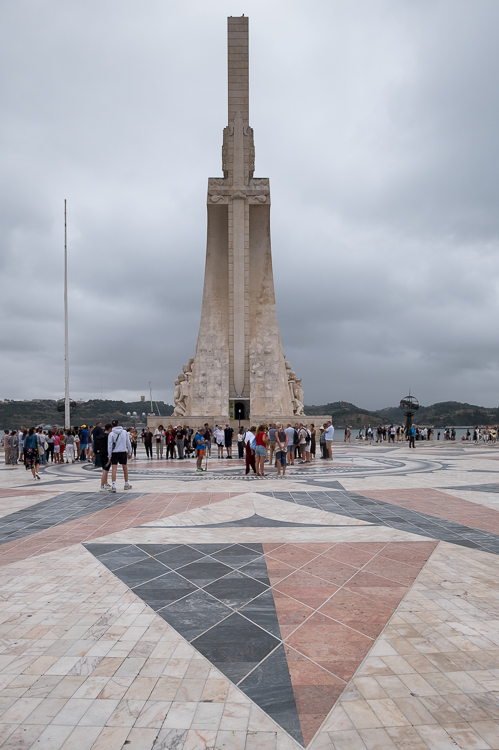
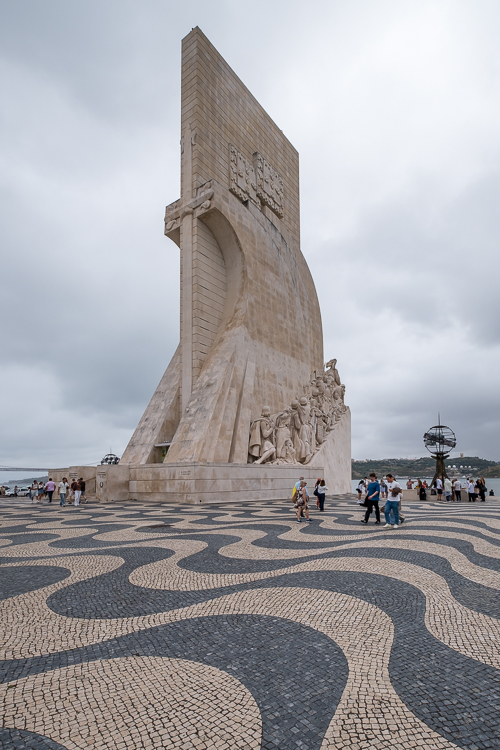
Before leaving the vicinity, we stopped at Padrão dos Descobrimentos (Monument to the Discoveries), a large monument dedicated to Portugal’s explorers. We just walked around it instead of going in. The weather was overcast with an occasional light rain, so going to the observation deck did not interest us, nor did the exhibition, The Miracle of the Sardine.
To recap, we spent two hours traveling to and from Belém where we paid €18 to walk around courtyard, enter a church full of scaffolding and construction fencing, walk past a tower encircled by scaffolding and construction fencing, and look at a large monument in overcast weather with occasional light rain.
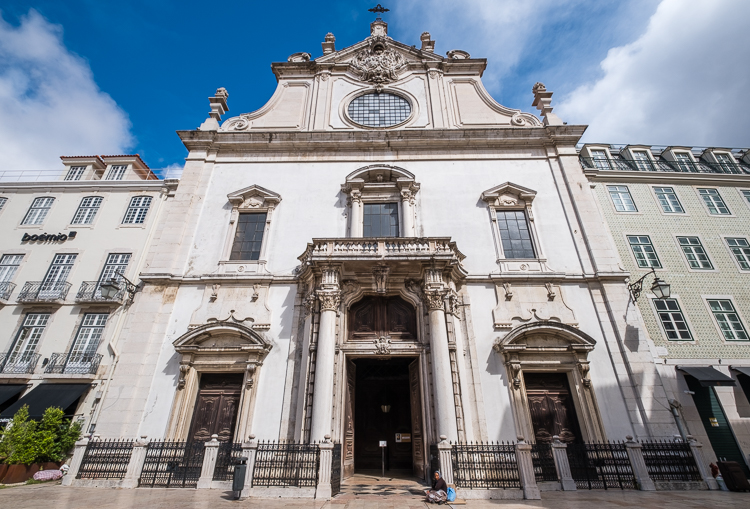
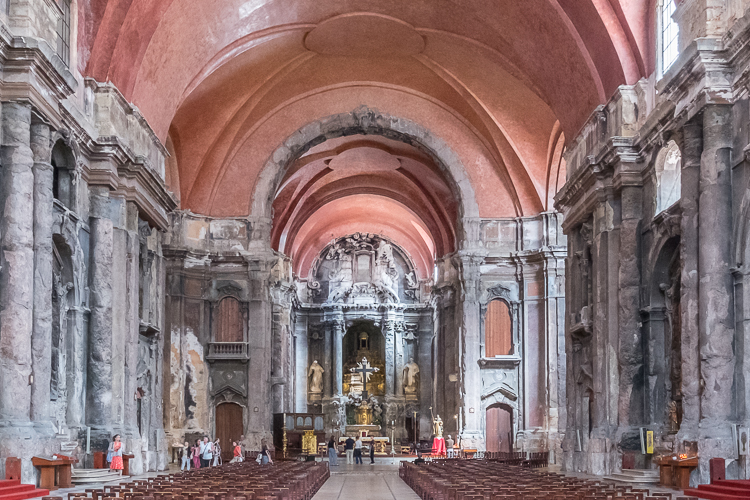
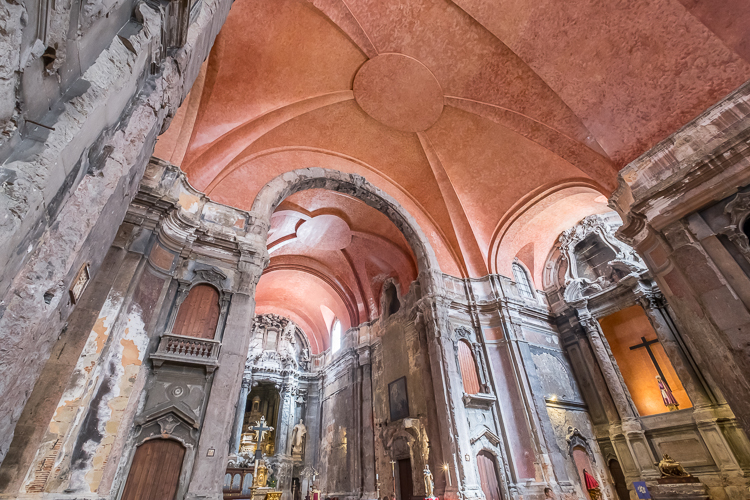
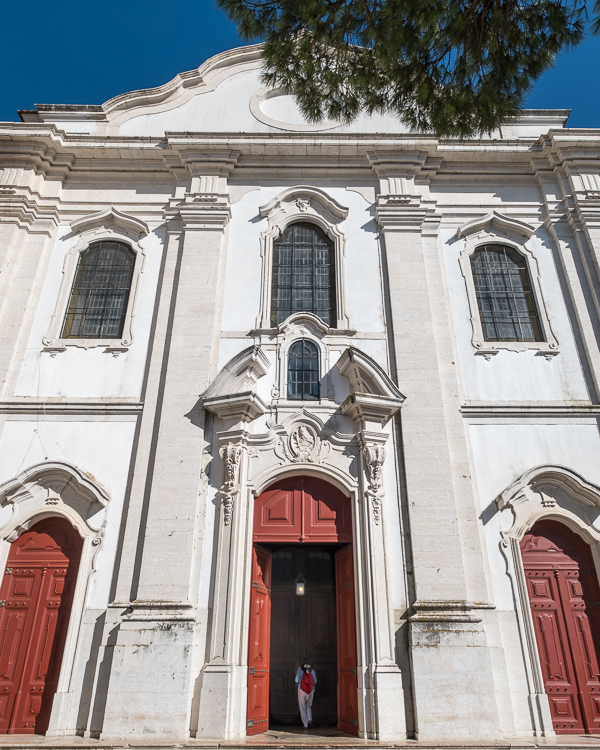
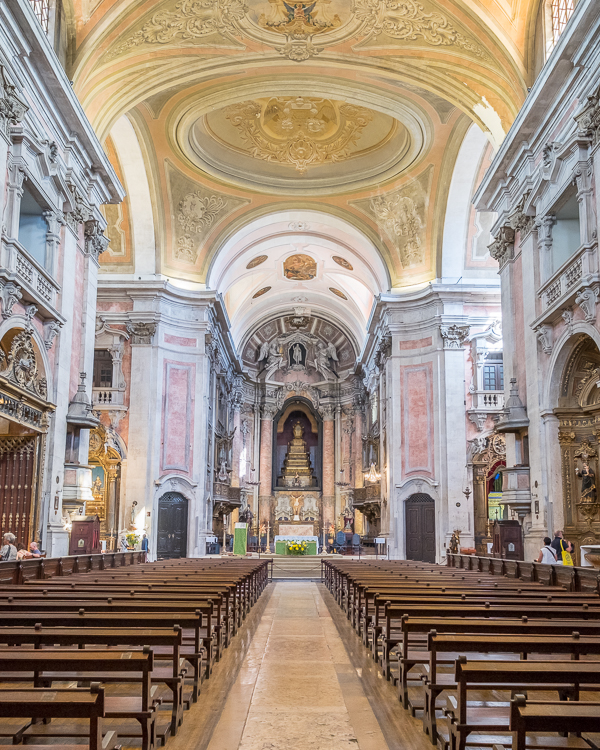
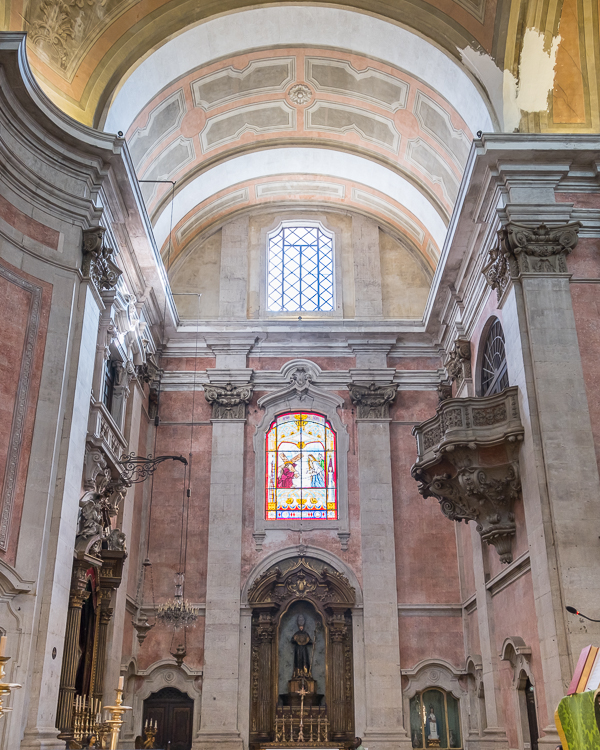
While this was not one of our finer days in Lisbon, it got a bit better when we took a detour on the metro ride back to our Airbnb to visit Igreja de São Domingos de Lisboa (Church of Saint Dominic), which is known for having survived an earthquake and major fire. The interior of the church definitely looks like it has seen better days, which makes it one of the more unique churches that we’ve visited. Definitely worth a stop in.
Lisbon offered an expensive refresher course on carefully considering what we want to do, versus blindly doing what is trendy or popular according to the latest top 10 lists. Several historic sites that we visited during our stay here, in our opinion, are unimpressive or massively overpriced, to such an extent that I wonder why tourists keep going. But they do. We did. I hope the money is being put to good use.
Perhaps it is no surprise that Portuguese citizens have the ability to get in free to most places.
What would we have done differently? Skip Panteão Nacional (National Pantheon). Skip Mosteiro dos Jerónimos (Jerónimos Monastery). Skip the Museu Arqueológico do Carmo (the archaeological museum). Skip Se de Lisboa (the cathedral).
In return we would have regained some sanity, saved the better part of a day, and had €84 to go to a nice dinner or two. We should have done a better job finding the more critical reviews of some of these places. Poor planning on our part.
Don’t get us wrong. Lisbon is an absolutely beautiful city, with gorgeous weather, and great public transportation. If we had to make a short list of European cities to live in, Lisbon undoubtedly makes the list.
And there are plenty of great things to do and see in Lisbon, such as Palácio Nacional e Jardins de Queluz (the Queluz National Palace and Gardens), Palácio Nacional da Ajuda (the National Palace of Ajuda), Castelo de São Jorge (Castle of Saint George), and the Mostiero São Vicente de Fora (Monastery of Saint Vincent de Fora), just to name a few.
If you like museums, Lisbon may be the place for you. There are too many museums to count. We avoided most of them simply based on subject matter. Your mileage may vary.
And there are probably at least a dozen great small towns to see within an hour or so by train or bus.
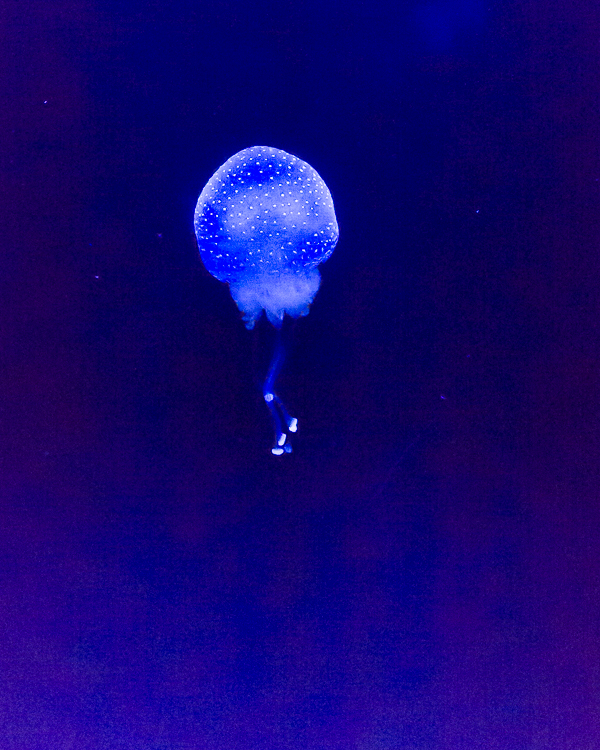
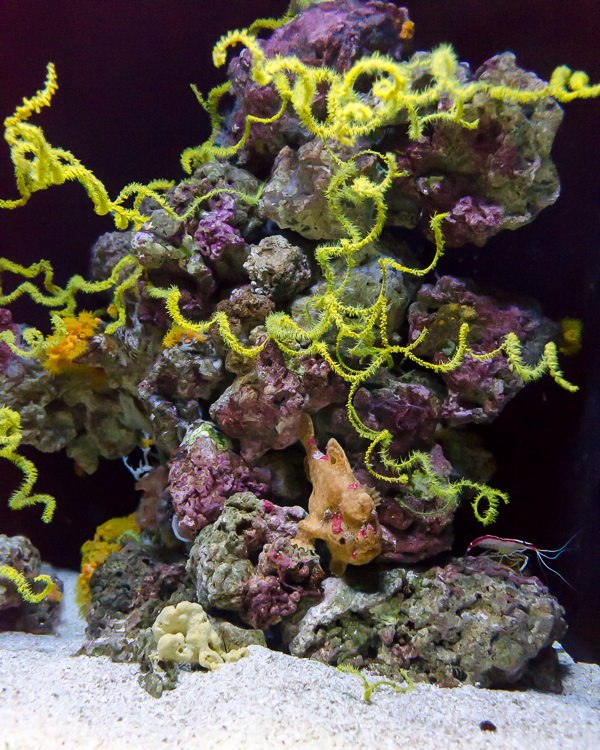
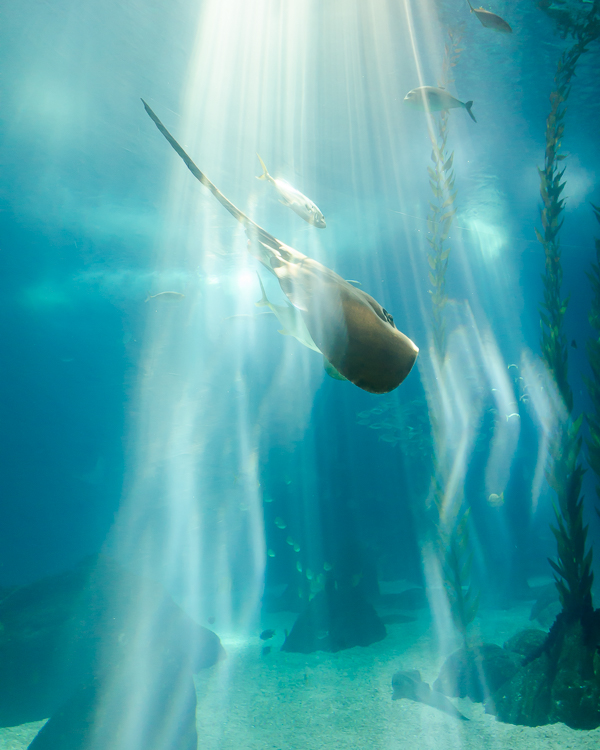
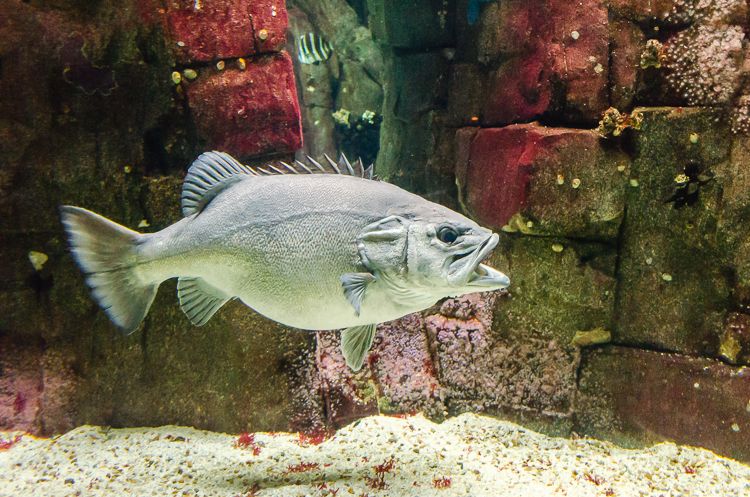
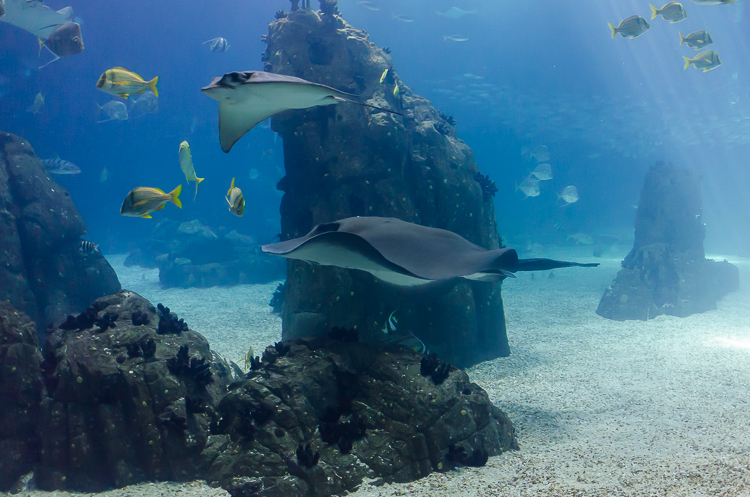
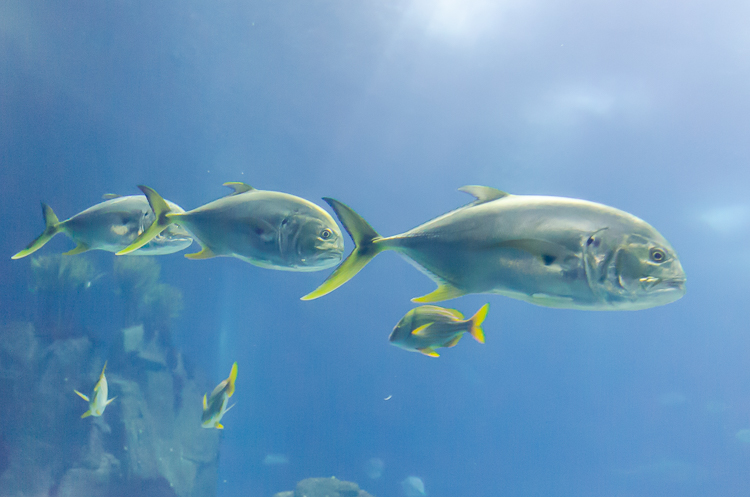
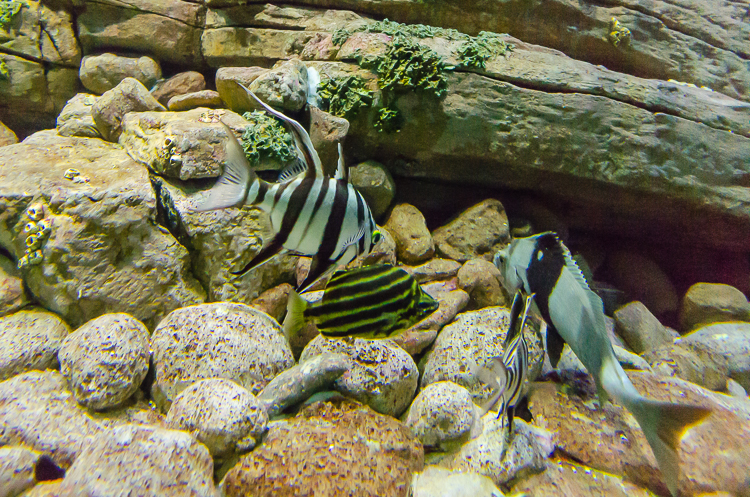
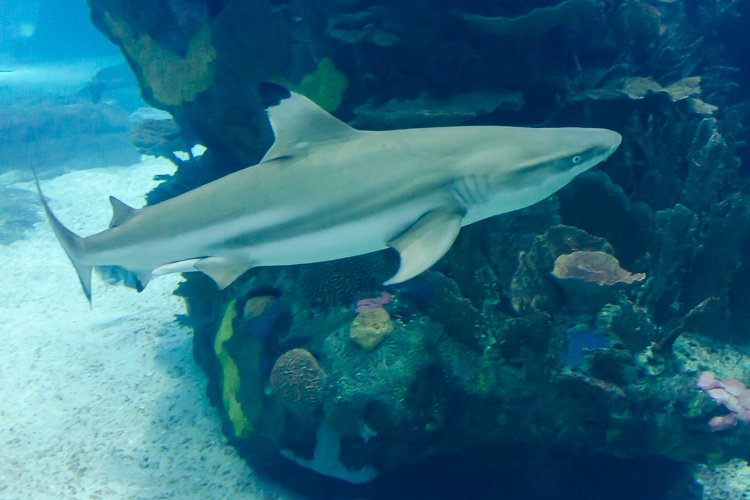
Our stay in Lisbon ended on a high note, the Oceanário de Lisboa, a modern, world-class aquarium. Very few cities have an aquarium of this quality. We stayed for about an hour and a half, but it could have easily been much longer. The exhibits are very well laid out. Signs are in Portuguese and English.
Essentially it is a giant two story aquarium with numerous large viewing areas, surrounded by smaller exhibits, with penguins, otters, corals, jellyfish, eels, and other unique sea creatures.
Of course the exit is through the obligatory gift shop and café, which we bypassed as quickly as possible to get back to the train station to catch a ride back towards our Airbnb.

Garrett and Stephanie
If you have not already done so, read our other posts about Lisbon:
Lisboa, Portugal (September, 2025, Part I). Sorting out Navegante options, finding salad dressing, and beer tasting.
Lisboa, Portugal (September, 2025, Part II). Just palaces: Queluz National Palace and Gardens; the National Palace of Ajuda.
Lisboa, Portugal (September, 2025, Part III). Just a pantheon, monastery, cathedral, church, and castle.
For additional posts about Portugal, or elsewhere in the world, check out our Travel Blog. It contains collected links to all of our travel posts.
Want to subscribe (or unsubscribe) for email notification of new blog posts? It is only two to three emails a month. Send your name and email address to slowtravelchronicles@gmail.com, and note subscribe (or unsubscribe) in the subject line. All email addresses will be kept confidential and not sold to any third-party. You won’t get any marketing junk or sales pitches from us.